

In a nutshell: The most important things at a glance
Vitamin C & Zinc in 2026: What Does Modern Science Say About the Power Duo
Every winter, store shelves overflow with supplements promising to ward off sickness or wipe out a cold overnight. At the top of almost everyone's shopping list are two household names: Vitamin C and Zinc. But if you’ve ever reached for them at the first sign of a tickle in your throat, you may have wondered just how effective they really are.
While popular belief treats them as instant cures, modern science paints a more nuanced picture. Taking Vitamin C and Zinc won't magically stop a cold in its tracks once symptoms take hold. However, keeping your body well-supplied with both nutrients daily builds the foundation for a resilient immune system, faster recovery, and dozens of vital metabolic processes throughout the body.
In this article, we’ll take a deep dive into how this power duo works, what the research actually says about cold relief, where to find them in your diet and how to use them safely.

- How your immune system works (and how to support it)
- What vitamin C and zinc do for your immunity
- Dietary sources & recommended intake
- Beyond immunity: the broader synergy of vitamin C & zinc
- The reality check: can they actually cure a cold?
- Safety & side effects
- Who benefits most from supplementation?
- Conclusion
How your immune system works (and how to support it)
Every day, at every moment, we are exposed to countless, various elements that could trigger illnesses and infections. The only thing that prevents this from happening is an internal complex network of cells and proteins called the immune system.
The immune system is the body’s natural defense, designed to keep foreign objects from invading our bodies and causing harm to the health. When it catches an antigen (foreign bodies such as germs and bacteria), it studies the invader first and gathers information about it before sending out antibodies for elimination.
To keep this defense network sharp and responsive, your body relies on daily upkeep. Consistent lifestyle habits provide the strongest basis:
- Regular, moderate exercise to promote healthy circulation of immune cells.
- 7–9 hours of quality sleep each night to allow cellular repair.
- Stress management techniques to keep cortisol levels from suppressing immunity.
- Limiting alcohol and avoiding smoking to protect mucosal barriers and systemic health.
Beyond daily lifestyle habits, nutrition plays a pivotal role in keeping your immune machinery well-fueled. While many micronutrients contribute to overall health, Vitamin C and zinc stand out as two of the most heavily researched and potent defense partners.
What vitamin C and zinc do for your immunity
Vitamin C: the cellular protector
When people think of immune-boosting nutrients, Vitamin C is usually first to mind. This essential antioxidant supports your body's natural defenses in several critical ways:
- It promotes the production of lymphocytes and phagocytes. These are white blood cells that are in charge of dealing with antigens.
- It helps white blood cells function more effectively while protecting them from damage caused by free radicals.
- It helps strengthen the skin’s natural barrier, making sure antigens are kept out.
- Research also shows that vitamin C is an essential nutrient for the growth and repair of tissue all over the body.
Zinc: the immune architect
A main component involved in cell division and growth, zinc is an essential mineral for the normal development and maintenance of the immune system. Here are a few ways the mineral supports immune health:
- It stimulates the production of T-cells for an optimized immune response.
- It speeds up wound healing, helping keep antigens out.
- It controls inflammation which, when chronic, may cause pain and may lead to complications.
Dietary sources & recommended intake
Because your body cannot produce or store large amounts of Vitamin C or Zinc, you must obtain them regularly through food or supplementation.
Vitamin C food sources:
- Citrus fruits (oranges, lemons, grapefruits)
- Bell peppers (green and red)
- Tropical fruits (kiwi, mango, papaya, pineapple)
- Berries (strawberries, blueberries, raspberries, cranberries)
- Melons (cantaloupe and watermelon)
- Dark leafy greens (spinach, cabbage, turnip greens)
- Root vegetables (sweet potatoes and white potatoes)
Zinc food sources:
- Red meat (beef and lamb)
- Shellfish (oysters and shrimp)
- Dairy products (milk and cheese)
- Seeds (squash and pumpkin seeds)
- Legumes (chickpeas and lentils).
Keep in mind that knowing what to eat is just one part of eating right. You also have to consume enough in order to meet the recommended daily amount (RDA) of these nutrients.
Recommended daily allowances (RDAs)
- Adult Women: 75 mg of Vitamin C, 8 mg of Zinc
- Adult Men: 90 mg of Vitamin C, 11 mg of Zinc.
Beyond immunity: the broader synergy of vitamin C & zinc
Combining zinc and vitamin C creates a powerful synergistic formula that supports everything from immune defense and cellular health to energy metabolism and skin care. While often highlighted purely for immune support, combining Vitamin C and Zinc provides comprehensive multi-system benefits recognized across clinical research and international health standards:
Immune & cellular defense
- Contributes to the normal function of the immune system ( Zinc, Vitamin C )
- Contributes to the protection of cells from oxidative stress ( Zinc, Vitamin C )
- Contributes to the regeneration of the reduced form of Vitamin E ( Vitamin C ).
Energy & vitality
- Contributes to the reduction of tiredness and fatigue ( Vitamin C )
- Contributes to normal energy-yielding metabolism ( Vitamin C )
- Increases iron absorption ( Vitamin C ).
Skin, hair & structural support
- Contributes to the maintenance of normal hair, nails, and skin ( Zinc )
- Contributes to normal collagen formation for the normal function of blood vessels, bones, gums, skin, cartilage, and teeth ( Vitamin C )
- Contributes to the maintenance of normal bones ( Zinc ).
Metabolism & core functions
- Contributes to normal acid-base metabolism ( Zinc )
- Contributes to normal carbohydrate metabolism ( Zinc )
- Contributes to normal macronutrient metabolism ( Zinc )
- Contributes to normal fatty acid metabolism ( Zinc )
- Contributes to normal vitamin A metabolism ( Zinc )
- Contributes to normal protein synthesis ( Zinc ).
Systemic & cognitive health
- Contributes to normal cognitive function ( Zinc )
- Contributes to normal functioning of the nervous system ( Vitamin C )
- Contributes to normal DNA synthesis ( Zinc )
- Contributes to normal fertility and reproduction ( Zinc )
- Contributes to the maintenance of normal testosterone levels in the blood ( Zinc )
- Contributes to the maintenance of normal vision ( Zinc )
- Has a role in the process of cell division ( Zinc )
The reality check: can they actually cure a cold?
When you feel a cold coming on, it is natural to look for quick relief. However, understanding how nutrients interact with viral infections helps set realistic expectations.
The common cold is caused by viruses (most frequently rhinoviruses). Antibiotics are completely ineffective against viruses, and over-the-counter medications primarily manage symptoms (like clearing sinuses or soothing a sore throat) rather than eliminating the virus itself.
So, where do Vitamin C and Zinc fit into cold management?
The science on vitamin C
Decades of research show that taking Vitamin C after cold symptoms appear does not significantly shorten the cold or reduce its severity.
However, consistent, daily supplementation before getting sick tells a slightly different story:
- It reduces cold duration by roughly 8% in adults and 14% in children (translating to about one less day of illness).
- It offers dramatic preventative benefits for people under severe physical stress (such as marathon runners or soldiers training in sub-zero environments), cutting their cold risk in half.
The science on zinc
Zinc lozenges have shown stronger direct intervention results, but timing and delivery matter tremendously:
- Timing is everything : Clinical trials indicate that starting high-dose zinc lozenges within the first 24 hours of symptom onset can shorten the duration of a cold by 1 to 3 days.
- Mechanism : Dissolving zinc lozenges directly in the mouth allows zinc ions to coat the throat membranes, preventing rhinoviruses from binding to mucosal cells and replicating.
- Preventative Use : Regular daily intake ensures your immune system has the baseline reserves needed to launch a swift defense when exposed.
The Verdict : Neither nutrient acts as an instant "cure." Vitamin C works best as a daily preventative habit, while high-dose oral zinc lozenges can help reduce illness duration if taken immediately at the first sign of symptoms.
Safety & side effects
While both nutrients are safe at recommended levels, excessive intake can lead to adverse effects.
Zinc side effects:
- Irritation of the mouth
- Problems with tasting
- Upset stomach
- In some cases, zinc nasal sprays are known to lead to permanent loss of smell.
Vitamin C side effects:
- Fatigue
- Headaches
- Heartburn
- Nausea
- Stomach cramps or bloating.
Who benefits most from supplementation?
While a balanced diet should always be your primary source of nutrients, certain groups have higher daily requirements or reduced absorption capabilities:
- Older adults : Appetite often decreases with age, and nutrient absorption in the digestive tract becomes less efficient.
- Vegans and vegetarians : Plant-based zinc is less bioavailable, making targeted dietary planning or supplementation beneficial.
- Individuals under chronic stress: Prolonged physical or emotional stress depletes antioxidant reserves and weakens immune defense.
- Frequent travelers & high-exposure workers : Teachers, healthcare workers, parents of young children, and regular commuters face elevated daily exposure to pathogens.
- People recovering from injury or surgery : Both nutrients are heavily consumed during tissue repair and wound healing.
Conclusion
From helping the common cold clear up sooner to repairing damaged tissue, zinc and vitamin C both contribute to important immune and wound-healing processes. But combining the two doesn't necessarily mean you'll get twice the benefit. Whether you need a supplement comes down to your overall diet, individual needs and health circumstances.
If you're considering taking zinc and vitamin C together, start by checking how much you're already getting from food and other supplements. More importantly, you should always consult a health care professional to determine whether adding one or both supplements fits into your routine.
First published: 12.11.2026
Updated 12.11.2026
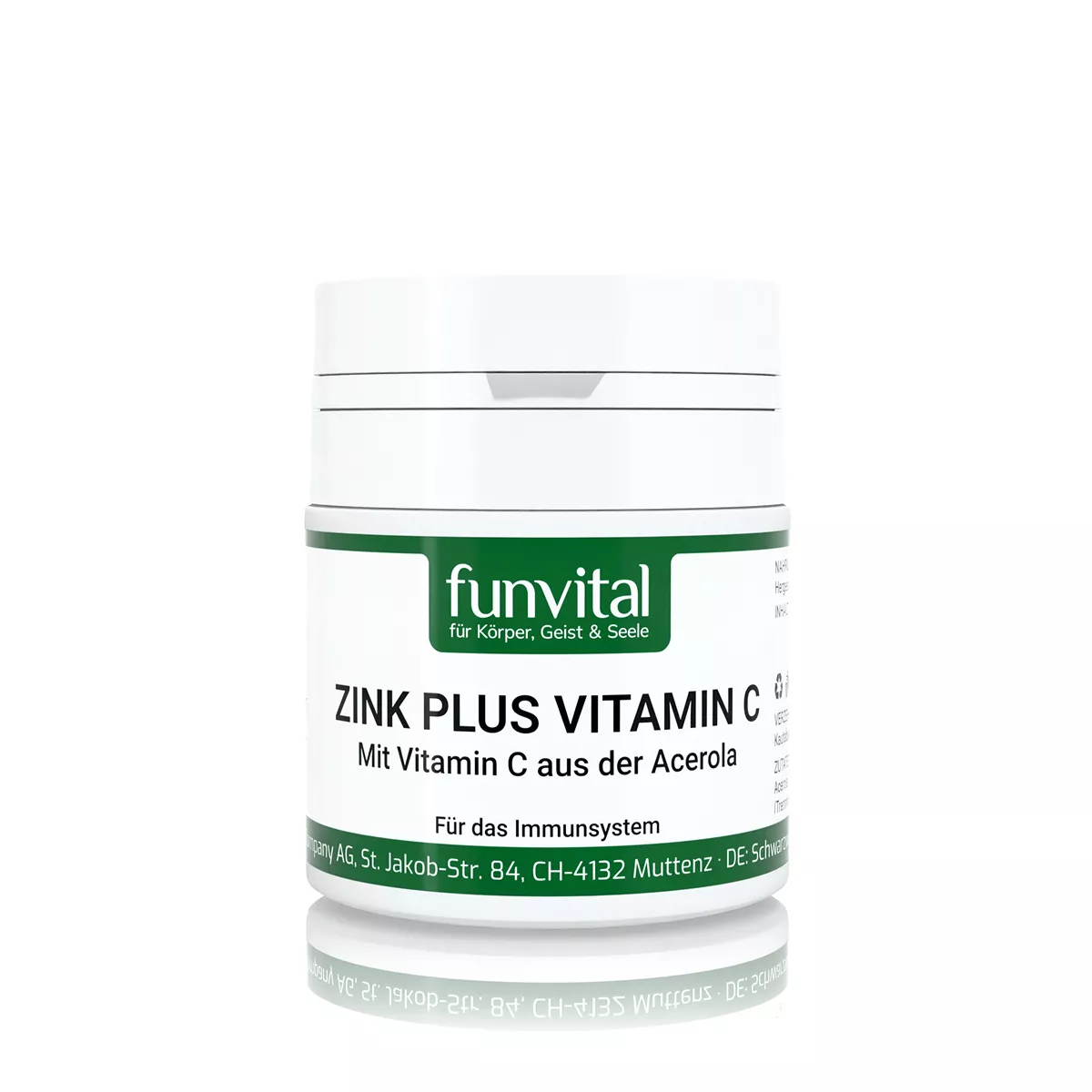
Content: 0.043 Kilogram (€318.60 / 1 Kilogram)
Content: 0.039 Kilogram (€415.38 / 1 Kilogram)
Content: 0.039 Kilogram (€382.05 / 1 Kilogram)