


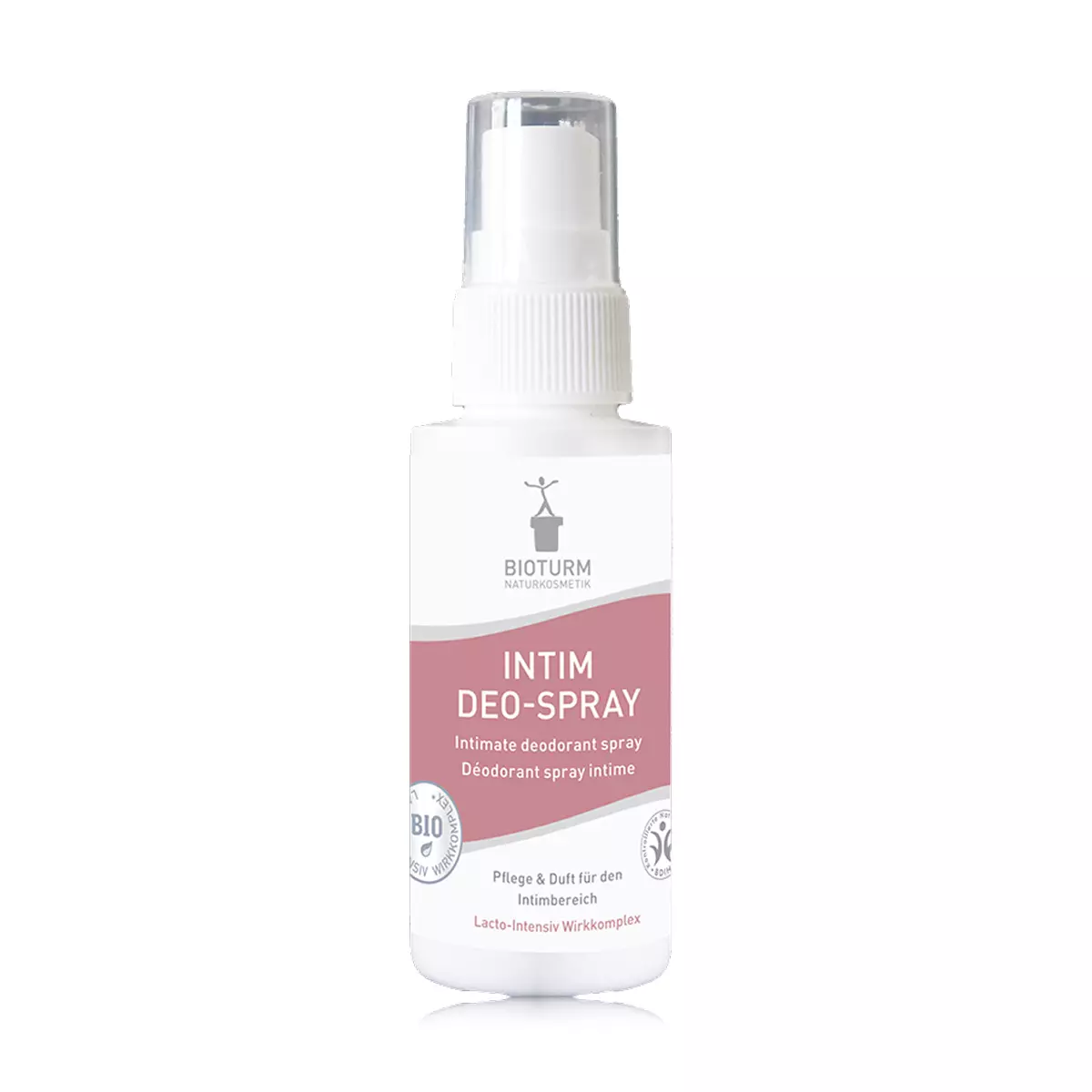
 (175)
(175)
Content: 0.05 Litre (€185.00 / 1 Litre)
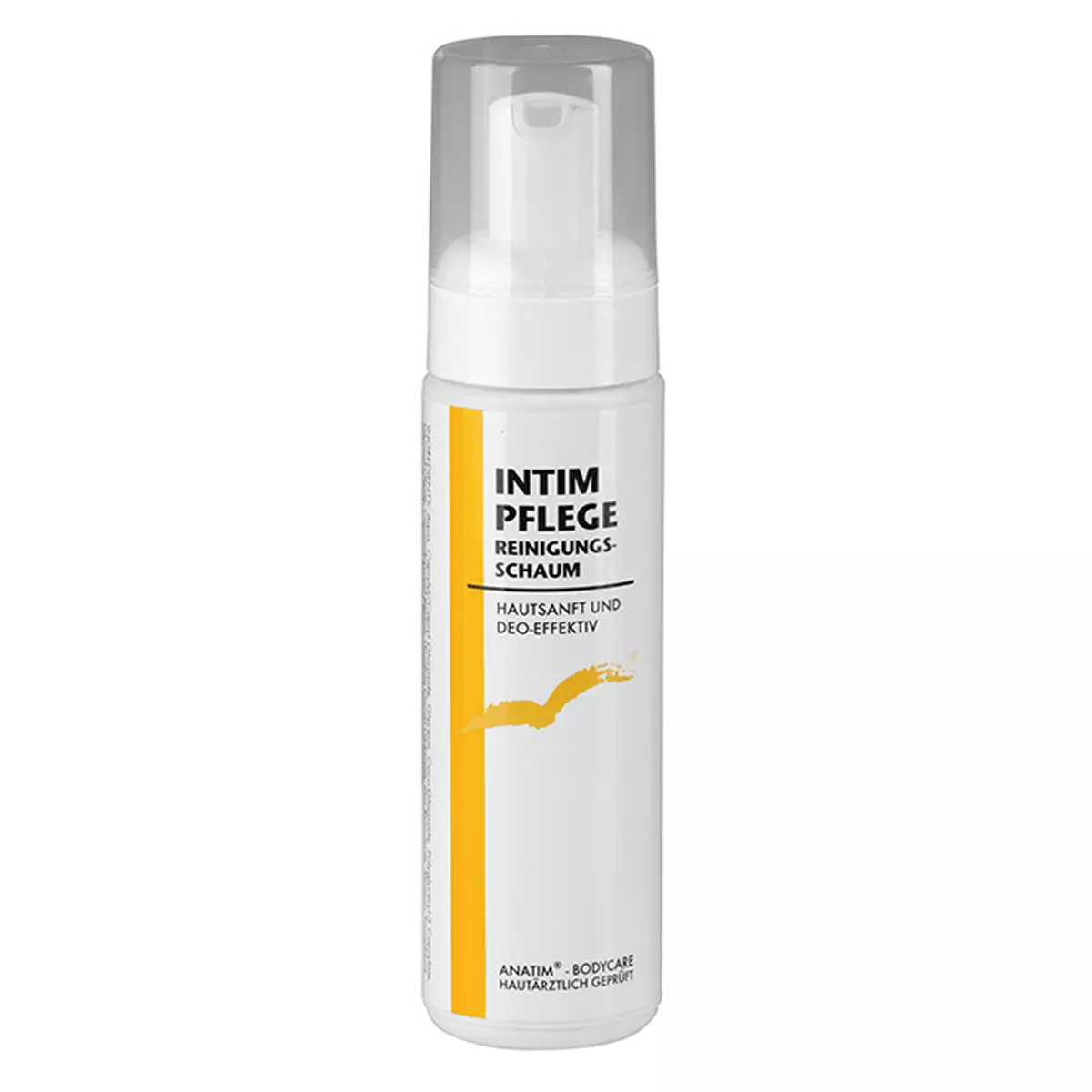 (1)
(1)
Content: 0.2 Litre (€49.50 / 1 Litre)
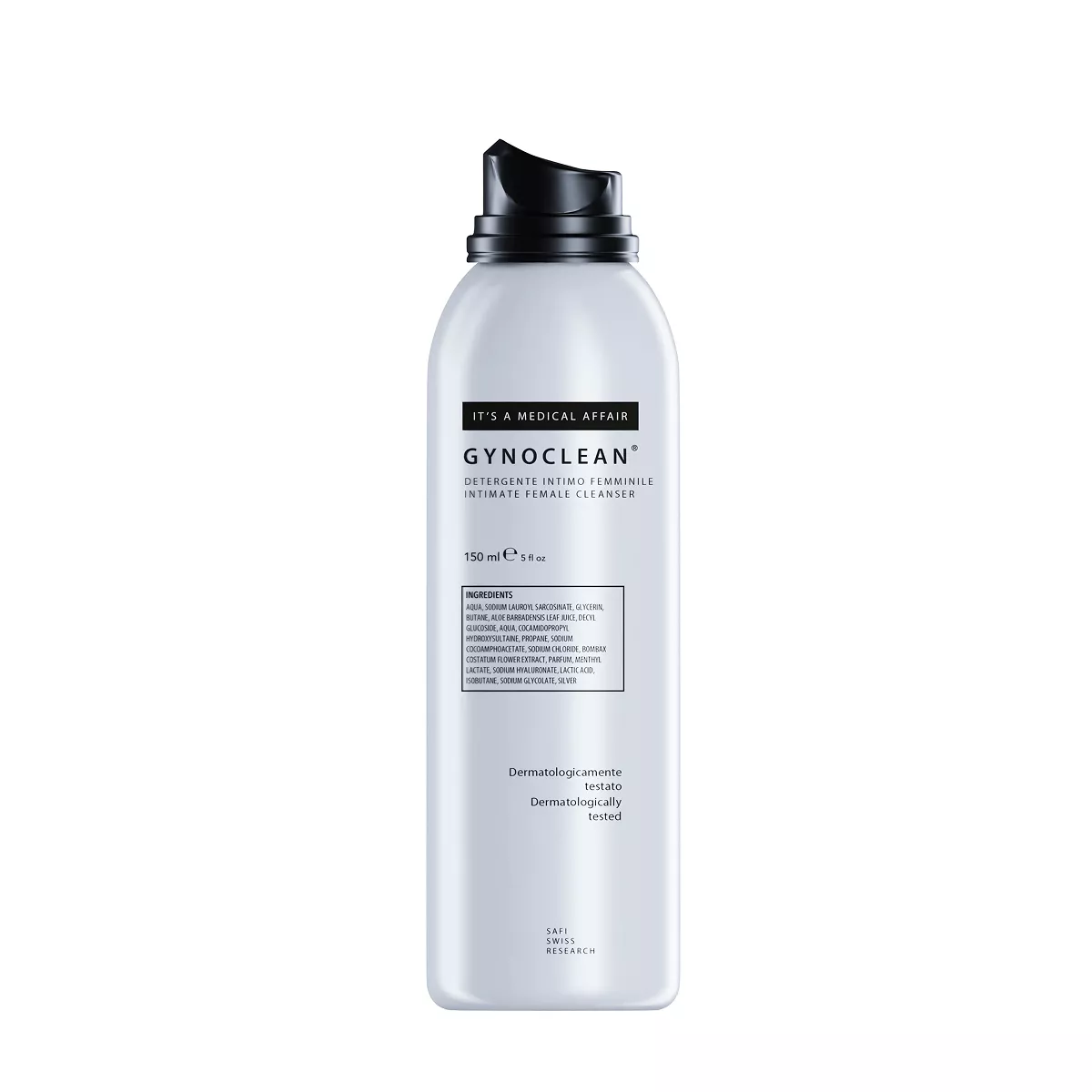
Content: 0.15 Litre (€160.00 / 1 Litre)
Intimate Care Balm for Proper Intimate Care and Cleansing
Intimate care is very important, and women in particular place extremely high value on it. However, intimate care also carries risks; women can make major mistakes here. Yet, sensible intimate care is actually quite simple, prevents many illnesses, and is indispensable in everyday life and during sex. Often, women wash their intimate area too frequently, which can destroy the entire protective layer of the vagina. While the intimate area must be washed daily—and changing underwear daily goes without saying—you should naturally not use unsuitable soaps or shower gels when washing or showering, as the skin in the intimate area is highly sensitive. Therefore, use an intimate care balm and pay attention to proper intimate care cleansing. You should act with moderation, because if the natural vaginal flora is destroyed, bacteria and fungi have an easy time. Deodorants or sprays are not necessary at all; they often even cause problems in the intimate area. It is better for women to use an intimate care balm, where nothing bad can happen. Many women use intimate sprays to avoid odors, but these exact sprays actually cause a bad odor instead of creating a fresh scent.
Intimate Care for Women
Intimate Shaving
Nowadays, it is commonplace for hair to be removed as part of intimate care. There is absolutely nothing wrong with this, and women even dedicate a lot of time to intimate care cleansing. However, intimate shaving in particular poses a significant risk for women; shaving can irritate the skin and the hair roots can even become inflamed. The skin in the intimate area is sensitive, so you should perform a thorough intimate care cleansing and apply an intimate care balm afterward. Dry shaving is by no means suitable for intimate care; the skin is severely stressed and itches and burns terribly. Many women will be familiar with this problem; an intimate care balm provides quick relief. Depilatory creams are also not recommended for intimate care; these creams irritate women's skin and can trigger allergies. A wet shave for women's intimate care is always better; of course, an intimate care cleansing should precede the shave, and the razor must have a sharp blade. You should also always shave in the direction of hair growth. Afterward, women should use an intimate care balm, which immediately soothes the sensitive skin. This way, small pimples cannot even develop in the first place.
The Anal Area is Of Course No Longer a Taboo
During intimate care, you must naturally also clean the anal area, but intimate care cleansing should always take place very carefully. Unfortunately, the anal area is still a taboo subject; itching and burning are usually endured in silence, and only a few people consult a doctor about it. However, fear or shame is completely unfounded, because when the anal region becomes diseased, it is almost routine for a doctor. But for the intimate care of the anus, one needs to know a few things. For instance, the skin around the anus is particularly sensitive and, with a pH value of 5, it is slightly acidic. You must not use standard commercial soaps in this area; intimate care cleansing is exactly right here. After intimate care, women can also apply an intimate care balm, which provides additional soothing to the skin. Of course, intimate care around the anus is particularly important, but women should only use proper intimate care cleansing. This prevents harmful bacteria from penetrating into the vagina or the folds of the buttocks and causing infections there. Women take a lot of time for intimate care, and that is a good thing. Because the anus and vagina are located close to each other, bacteria can easily get into the vagina. This must be avoided. Intimate care cleansing and intimate care balm are exactly the right choice. Of course, you should apply the intimate care balm after cleansing. After cleansing, you should use a soft towel to dry off, but please do not rub—only dab gently. For proper intimate care, you must, of course, change the towel every day. In addition, you should use very soft toilet paper; for intimate care, this is almost essential. There are products on the market that contain bleaching agents, fragrances, and dyes that irritate the skin. This should be avoided in intimate care. This can also be the case with wet toilet paper, so it is better not to use it. When practicing intimate care, women should always make sure to wipe from front to back, otherwise bacteria could get into the vagina.
Excessive Intimate Care in Women
Many women overdo intimate care, which can completely destroy the vaginal flora. Therefore, rely on an intimate care cleansing that is completely harmless and definitely apply an intimate care balm. Too much hygiene can be quite harmful in intimate care, but unfortunately, the body cult is on the rise. Many people are simply afraid of unpleasant odors and constantly feel insecure. So the intimate area is washed with a vengeance, but this exact type of intimate care is harmful to women. Although vaginal infections occur less frequently nowadays, these infections are usually attributable to excessive intimate care. The acidic environment of the vagina has a pH value of 4 to 4.5, and this value must not be destroyed under any circumstances. An intimate care cleansing should therefore always be gentle, and after cleansing, you apply an intimate care balm.
Intimate Care Cleansing Can Also Backfire
Women often use the wrong products for intimate care, as some shower gels have a pH value of 9 to 11, which is clearly too alkaline for the sensitive intimate area. It is better to use a product for intimate care cleansing that does not damage the skin's protective acid mantle. Particularly in the intimate zone, extremely bad odors can form, and bacteria naturally have free rein. Especially sexually active women often have to deal with discharge that also smells very unpleasant and looks "strange." This is the time to go to the gynecologist. However, you can still apply an intimate care balm. If you want to avoid a visit to the doctor, use an intimate care cleansing that does not harm the skin, and after cleansing, you should soothe the skin with an intimate care balm. Often, less is more when it comes to intimate care for women; washing too frequently with aggressive soaps can achieve the opposite effect. You should also not use intimate sprays after intimate care, and vaginal douching or sitz baths are strongly discouraged. External intimate care cleansing is completely sufficient, even during menstruation. Washing or showering the intimate area once a day is already enough for hygiene. After the shower, however, you should always apply an intimate care balm.
How to Clean the Intimate Area Correctly
When practicing intimate care, women should naturally not always use the same washcloth and the same towel; these textiles must be changed daily. To prevent bacteria from the anus from straying into the vagina, you should always work from front to back during intimate care. Some women are naturally prone to yeast infections; they must ensure that only fragrance-free washing lotions are used, they should pay special attention to intimate care cleansing, and perhaps apply an intimate care balm immediately after washing. Certain intimate hygiene practices must always be discussed with a gynecologist, as itching or burning in the intimate area can also indicate an illness. But an intimate care balm cannot do any harm.
Some Panties are Not Necessarily Healthy
Thongs are certainly sexy, but they are not healthy. Synthetic fabrics promote sweating, which in turn is an ideal breeding ground for fungi. Women are better off wearing breathable panties that should not fit too tightly either. If you do not want to give up thongs completely, that is no problem, but you simply shouldn't wear thongs every day. Panty liners are also part of intimate care for women; here, too, you should look for high-quality liners. When washing them, you should use a suitable detergent, because proper intimate care for women only makes sense if no alkaline residues are found in the panties after washing. By the way, cotton panties can look very sexy too.