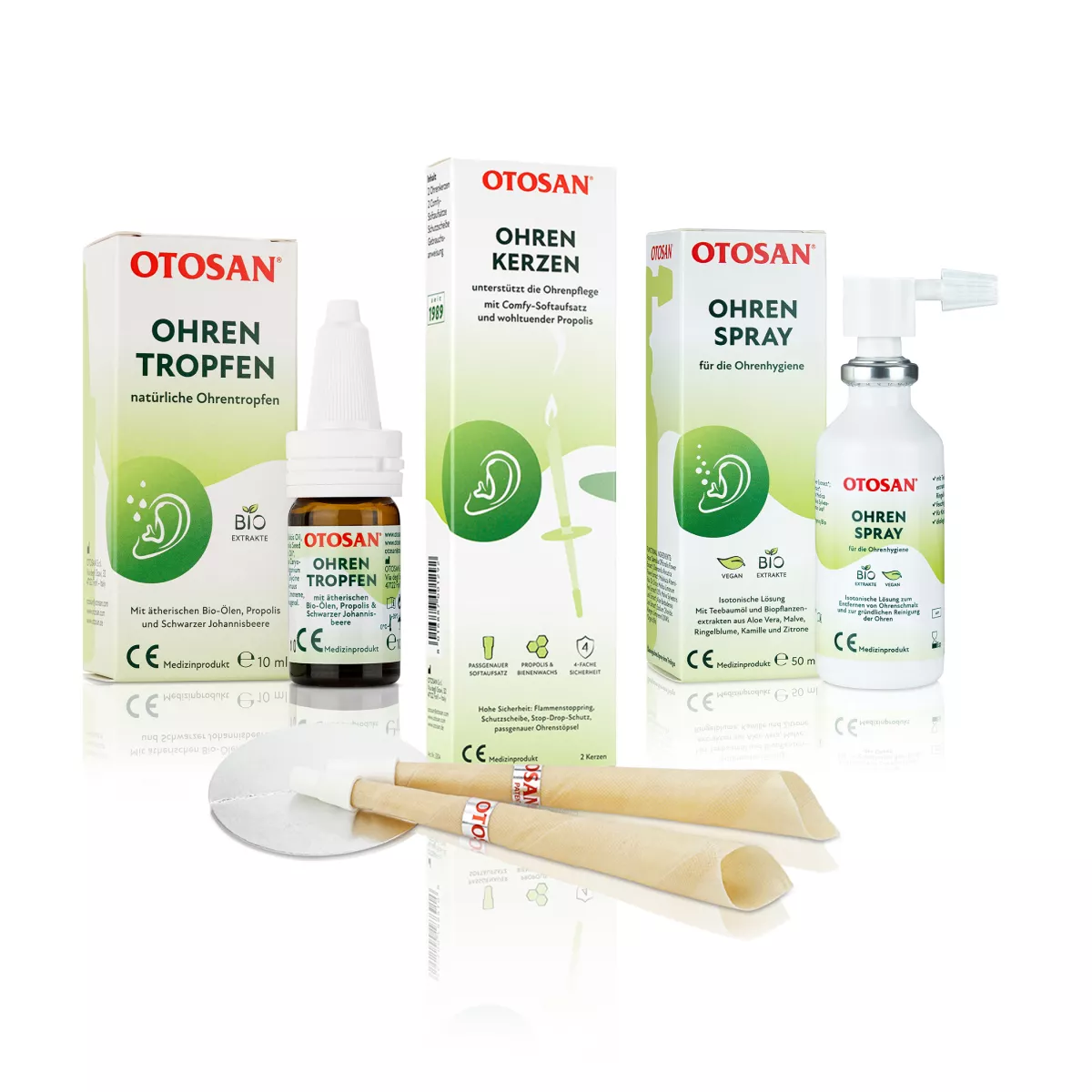
In a nutshell: The most important things at a glance
How Chlorine Water Affects Your Ears' Natural Defences
Swimming is a popular activity for people of all ages, but it can come with a few challenges. One common issue that swimmers face is chlorine irritation in the ears. Chlorine is a chemical commonly used to disinfect swimming pools and prevent the bacteria growth, but it can also cause discomfort and pain in the ears. Here's how you can learn more about chlorine irritation in ears, how to prevent and how to best take care of your ears.

What does swimming do to your ears?
Swimming is a popular activity for people of all ages, but it can come with a few challenges. One common issue that swimmers face is chlorine irritation in the ears. Chlorine is a chemical commonly used to disinfect swimming pools and prevent the bacteria growth, but it can also cause discomfort and pain in the ears.
When chlorine water enters the ear canal during swimming, it can stay trapped inside the ear for a long time, creating a moist environment ideal for bacteria to grow. The chlorine in the water can irritate the delicate lining of the ear, leading to inflammation and discomfort. This irritation can sometimes progress to an ear infection if left untreated.
Chemistry of chlorine irritation - Why Your Ear's Natural Defences Matter
Chlorine is a strong oxidising chemical that, particularly when inhaled or ingested, can be harmful. Chlorinated water is foundational in preventing bacterial growth in drinking water and swimming pools, but it can also promote allergy-like symptoms for some individuals. When it contacts earwax, chlorine begins to chemically break down its organic lipids, acting as a solvent by "degreasing" the ear canal. Chlorine levels will slowly break down the waxy protective layer in the ear. If you swim regularly in a swimming pool that uses chlorine, it’s recommended to use ear plugs to keep the water out of your ears, and also use oil based ear drops to help support the re-lubrication of the ear canal.
Chlorinated water and changes in pH significantly impact earwax (cerumen) by breaking down its protective composition, leading to increased vulnerability to infections like swimmer’s ear. While earwax is naturally acidic (around pH 6) to inhibit bacterial growth, the exposure to chlorinated pool water (usually with pH 7.5 to 8) can disrupt this, leading to the dissolution of the wax’s protective layer.
Why ageing increases your risk
As we age, our ears become even more sensitive to water-related issues. The skin in our ear canals becomes thinner and more delicate, while earwax production may decrease, reducing one of our natural defences against moisture and bacteria.
From irritation to infection – swimmer’s ear
"Swimmer's ear" sounds like something that only affects competitive swimmers, but it is actually one of the most common ear problems among recreational swimmers of all ages. Medically known as otitis externa, swimmer's ear is an infection of the outer ear canal that develops when bacteria or fungi grow in the trapped moisture. Otitis is inflammation of the ear, externa refers specifically to the outer ear.
The symptoms are easy to recognise:
- A feeling of fullness or muffled hearing
- Persistent itching and pain
- Possible discharge from the ear canal
- Intense pain, especially when moving the jaw or touching the outer ear. In severe cases, the pain can be quite intense, especially when you touch your ear or move your jaw.
Left untreated, swimmer's ear can lead to more serious complications, including hearing loss.
There are several factors that can increase the risk of experiencing chlorine irritation in the ears. One of the main causes is spending long periods of time in chlorinated water, especially if proper ear protection is not used. Additionally, individuals with sensitive skin or a history of skin allergies may be more prone to chlorine irritation. Very high chlorine levels will slowly break down the waxy protective layer in the ear, drying out the ear canal thus leaving the skin inside the ear without its protective barrier.
Prevention and treatment
Preventing ear harm from chlorinated water involves keeping ears dry, preventing moisture accumulation and avoiding the removal of natural protective earwax. The best approach to prevent chlorine irritation in the ears is a combination of using swimming earplugs, wearing a silicone swim cap and applying special ear drops after swimming:
- Wearing earplugs or a swim cap can help to keep water out of the ears, reducing the risk of irritation.
- After swimming, it is recommended to dry the ears thoroughly using a towel and special (oily) ear drops specifically designed to help balance the PH in the ear canal.
Why oil-based ear drops?
Oil-based ear drops are considered excellent protection against chlorine water because they are hydrophobic (water-repellent), creating an invisible earplug or waterproof barrier that protects the ear canal. This barrier prevents chlorinated water from being trapped in the ear canal, thus reducing the risk of irritation, skin damage and swimmer’s ear infection (otitis externa).
Oil-based ear drops provide superior protection against chlorine water by:
- creating a waterproof barrier: the oil covers the ear canal, acting as a barrier that prevents water from adhering to the skin
- neutralising chemical irritation: chlorine is a drying agent that removes natural oils from the skin, causing dryness, itching and brittleness. Oil-based drops such as olive oil or special ear drops do re-lubricate and protect the skin from these pool chemicals
- preventing trapped water: because oil and water do not mix, the oily film helps water to drain out easier and prevents it from becoming trapped behind earwax
- being gentle on sensitive ears: unlike alcohol-based drops, which can cause stinging and excessive dryness with repeated used, oil-based drops are generally more gentle, moisturising the canal rather that drying it out
- allowing natural protection: while keeping the canal dry, these oils often allow the ear to maintain its natural, slightly acidic balance better that alcohol based strong drying agents.
Swimming is one of the best ways to stay active, and chlorine should not be standing in the way. By understanding the chemical impact on your earwax, and taking proactive steps to rinse, dry and re-lubricate your ears, you can shift from reactive treatment to protective care and ensure your ears stay healthy. Taking these preventive measures and promptly treating any symptoms of chlorine irritation, swimmers can continue their time in the water without the discomfort of pain.
First published: 08.05.2026
Modified: 08.05.2026
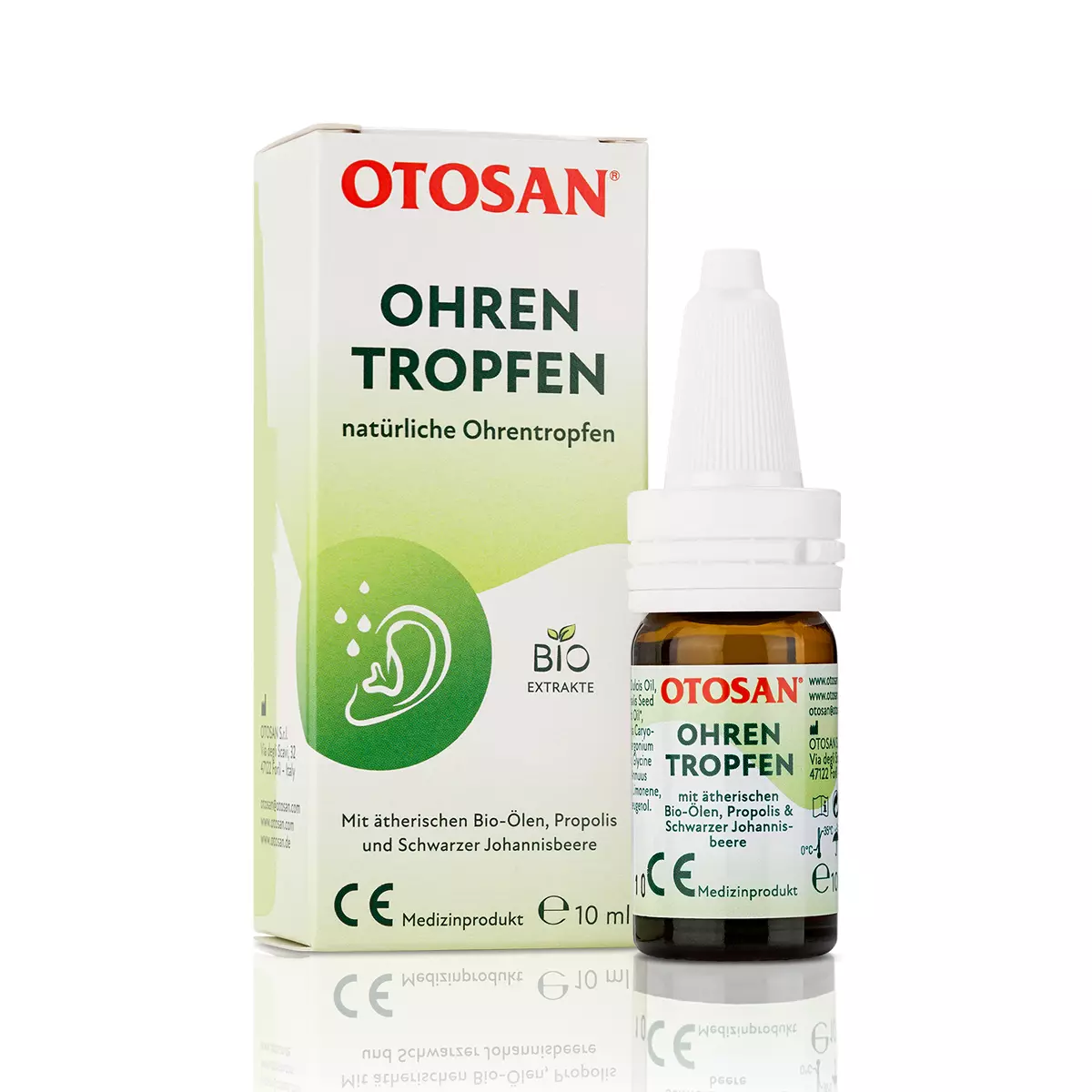

Content: 0.01 Litre (€790.00 / 1 Litre)