

In a nutshell: The most important things at a glance
Pharyngitis (Sore Throat): A Guide to Symptoms, Causes, Prevention and Treatment
A scratchy, painful throat can quickly disrupt your day. Whether you call it a sore throat, a throat infection, or its medical term, pharyngitis, understanding what is happening in your body is the first step toward finding relief.
This guide covers everything you need to know about pharyngitis, how to spot the difference between a virus and bacteria, and how to gently support your recovery. We will explore the causes and demonstrate how natural products can gently help restore your body's natural balance. Our goal is to offer practical tips so you can feel a noticeable improvement in your well-being.

What is Pharyngitis?
Pharyngitis is the painful inflammation of the pharynx—the back part of your throat. This inflammation can affect several areas of your mouth and throat, including:
- The back third of the tongue
- The soft palate (roof of the mouth)
- The tonsils (fleshy tissue that are part of the throat's immune defenses).
Viral vs. Bacterial Causes
- Viral Pharyngitis (Approx. 90% of cases): Most sore throats are triggered by common viruses, such as those that cause the common cold, flu, oral herpes, or mononucleosis. In seasonal climates, viral pharyngitis peaks in winter and early spring when people gather closely in poorly ventilated spaces. It spreads easily through airborne droplets (coughing and sneezing) or unwashed hands. For healthy individuals, it usually clears up on its own without long-term complications.
- Bacterial Pharyngitis (Strep Throat): When an infection isn't viral, it is usually caused by Group A beta-hemolytic Streptococcus bacteria. Like viruses, strep throat spreads rapidly in communities during late winter and spring. However, untreated strep throat requires medical attention, as it can lead to serious complications like kidney disorders (glomerulonephritis), rheumatic fever (which can damage heart valves), or painful abscesses in the tonsils.
Symptoms – is it Viral or Bacterial?
While the primary symptoms for both types are a sore throat and painful swallowing, other clues can help you and your doctor differentiate between them.
Viral pharyngitis:
Sore throat often is accompanied by other symptoms like:
- A red throat
- Runny or stuffy nose
- Dry cough
- Hoarseness
- Redness of the eyes
- Children may have diarrhea
- Some viruses cause painful sores in and around the mouth, including the lips.
Strep throat (Bacterial):
Strep throat and other forms of bacterial pharyngitis cause sore throat, pain with swallowing, and a red throat (often with white spots on enlarged tonsils). These symptoms tend to be more severe with strep throat compared to viral pharyngitis. Other symptoms that often occur with strep throat include:
- Fever
- Body ache and a general sick feeling
- Headache
- Enlarged tonsils with white spots
- Swollen, tender lymph nodes (swollen glands) in the front of the neck
- Children also can have nausea, vomiting, and abdominal pain.
Other Causes:
A sore throat accompanied by white patches in the mouth could indicate thrush (a fungal yeast infection), typically seen in infants or those with weakened immune systems. If a sore throat persists for more than two weeks without infection signs, it may be caused by acid reflux, chronic mouth breathing in dry environments, postnasal drip, or (rarely) a tumor.
Diagnosing a Sore Throat
Because symptoms overlap, a doctor will review your medical history, check if you’ve been exposed to illnesses, and perform a physical examination of your ears, nose, throat and neck.
- Empirical Diagnosis: If the symptoms point clearly to strep, a doctor may prescribe antibiotics immediately.
- Rapid Strep Test: Performed right in the office, this swab test takes minutes and catches 80% to 90% of strep cases.
- Throat Culture: If the rapid test is negative but strep is still suspected, a sample is sent to a lab for intensive testing, with results ready in 24 to 48 hours.
Expected duration
Simple viral pharyngitis naturally fades within about a week. Strep throat symptoms typically begin to subside within 2 to 3 days after starting antibiotics.
Prevention
While it's impossible to prevent all infections, you can help to decrease exposure and spreading.
- Vaccinate : Stay up to date on vaccinations for the flu and COVID-19.
- Practice Hand Hygiene : Wash your hands frequently with soap and water or use an alcohol-based sanitizer.
- Don't Share : Avoid sharing food, beverages, or eating utensils.
- Keep Your Distance : Stay away from individuals having respiratory symptoms, and stay at home when you have symptoms yourself.
- Practice Respiratory Etiquette : Toss used tissues immediately and wash your hands after sneezing or coughing.
- The 24-Hour Rule for Kids : Children diagnosed with strep throat should stay home from school or daycare until they have been on antibiotics for at least 24 hours and their symptoms improve.
Treatment & Relief Options
1. For Viral Infections (Symptoms Management)
Since antibiotics do not work against viruses, viral pharyngitis usually is treated by treating the symptoms to make you feel more comfortable until your body's immune system does its job:
- Get plenty of rest to support your immune system.
- Manage pain and reduce inflammation with over-the-counter options like ibuprofen, acetaminophen, or aspirin.
- Stay well-hydrated by drinking water, warm broths, or soothing teas.
- Gargle with warm salty water to ease throat pain.
- Use a cool-mist vaporizer to keep dry air from irritating your throat.
2. Targeted Natural Support
You can complement your recovery with non-prescription throat sprays and natural, plant-based remedies designed to protect the throat tissue.
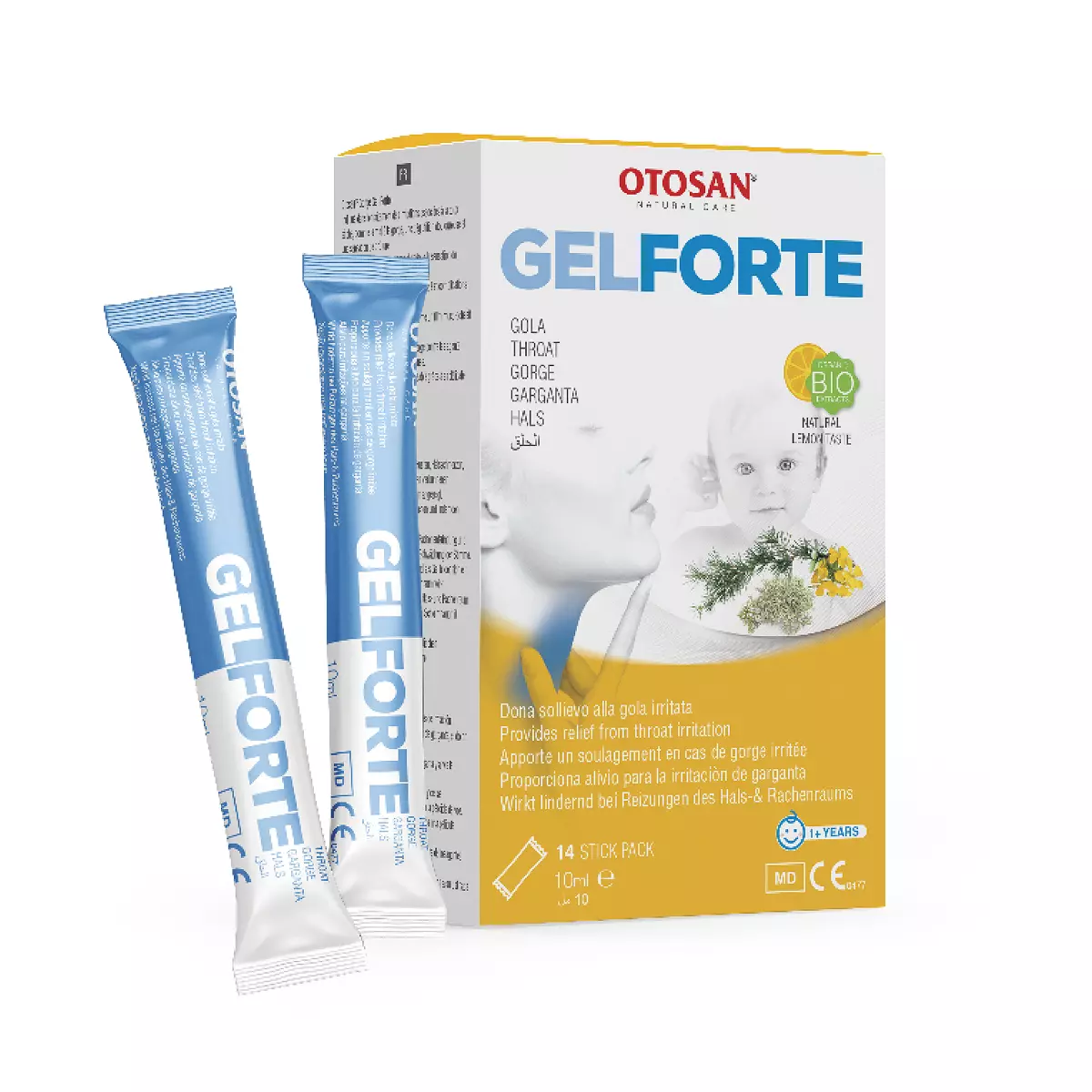
- Otosan® Throat and Pharyngeal Gel: Packaged in convenient, travel-friendly sachets, this special formula utilizes Icelandic moss and larch arabinogalactan. It forms a protective barrier that counteracts dryness, eases difficulty swallowing, calms a dry cough, and works effectively as a preventative measure.
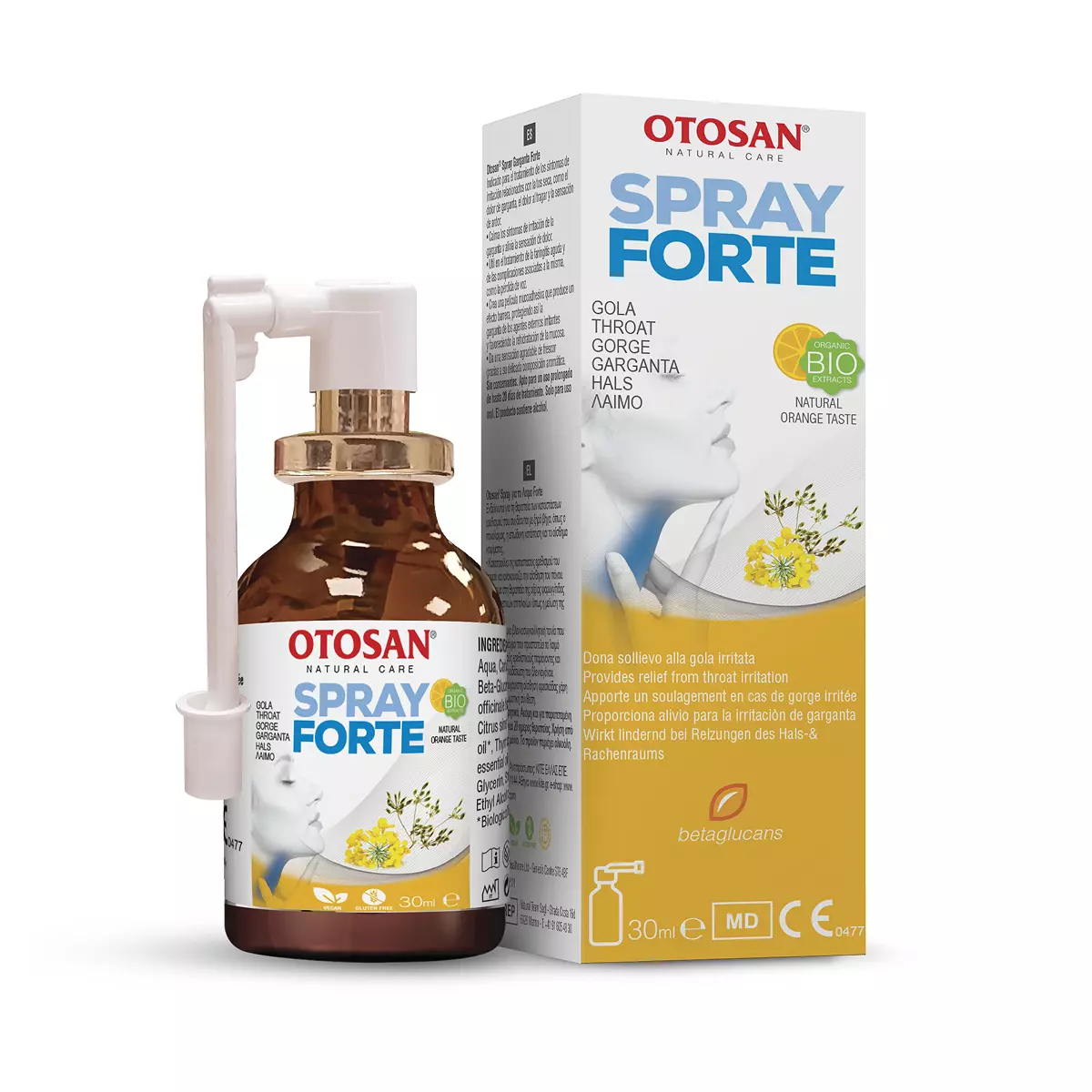
- Otosan® Throat Spray Forte: Based on herbal ingredients, is specifically designed to promote the well-being of the throat and oral cavity and provide quick relief for: irritated mucous membrane, difficulty swallowing, hoarseness and dry cough and dry mouth and throat.
Please note: The above product recommendations are intended as supplementary, supportive care and do not replace medical advice in case of acute health problems.
3. For Bacterial Infections (Antibiotics)
If you test positive for strep throat, your doctor will prescribe a 10-day course of antibiotics (typically penicillin or amoxicillin; macrolides like azithromycin or erythromycin are used if you have a penicillin allergy).
⚕️Important : Always finish the entire prescription exactly as directed, even if you feel completely better after a few days. Stopping early can cause the infection to return or lead to complications.
When to Call a Doctor
Most sore throats clear up without issue, but you should seek immediate professional medical care if you experience:
- Difficulty swallowing that prevents you from drinking fluids (putting you at risk of dehydration)
- Difficulty breathing through your mouth, noisy breathing, or excessive drooling
- A fever exceeding 38°C
- Any mild throat discomfort or soreness that persists for more than two weeks.
Outlook
The overall prognosis for pharyngitis is excellent. Whether viral or bacterial, almost everyone makes a full, uncomplicated recovery. The key is to manage your pain effectively, rest and give your body the time and support it needs to heal.
First published 09.06.2026
Modified: 09.06.2026

Content: 0.03 Litre (€296.67 / 1 Litre)
 (135)
(135)
Content: 0.14 Litre (€63.57 / 1 Litre)
 (1472)
Content: 0.036 Kilogram (€427.78 / 1 Kilogram)