

In a nutshell: The most important things at a glance
A Complete Guide to Female Intimate Care: Tips for Healthy Flora and Infections Prevention
The female intimate area is exceptionally delicate, making it vulnerable to imbalances that can lead to irritation or infection. Because this area plays a vital role in your overall well-being, practicing specialized, mindful care is essential for maintaining comfort and health.
Taking care of your intimate area is an act of self-care and well-being. In this article, you will discover practical tips and products designed to maintain good intimate hygiene and prevent infections, giving you confidence and comfort in your day-to-day life.

The Importance of Gentle Intimate Care
Establishing a proper intimate hygiene routine is one of the most effective ways to prevent common conditions, such as yeast infections, bacterial vaginosis, and urinary tract infections (UTIs). Proper care focuses on two main goals:
- Maintaining pH Balance : The intimate area relies on a specific acidic environment to stay healthy.
- Protecting the Microbiota : A healthy vaginal flora acts as a natural defense system against pathogens.
Avoiding Common Mistakes
Many women are understandably concerned about hygiene, but it is easy to inadvertently do more harm than good. Intimate care does not need to be complex; in fact, when it comes to this sensitive area, "less is often more."
Be mindful of these common pitfalls:
- Over-washing : Cleansing too frequently can strip away the vagina’s natural protective layer, leaving you more vulnerable to bacteria and fungi. A daily wash is sufficient.
- Using Harsh Products : Standard soaps and shower gels are often too alkaline for delicate intimate skin. Always opt for pH-balanced intimate cleansers designed specifically for this purpose.
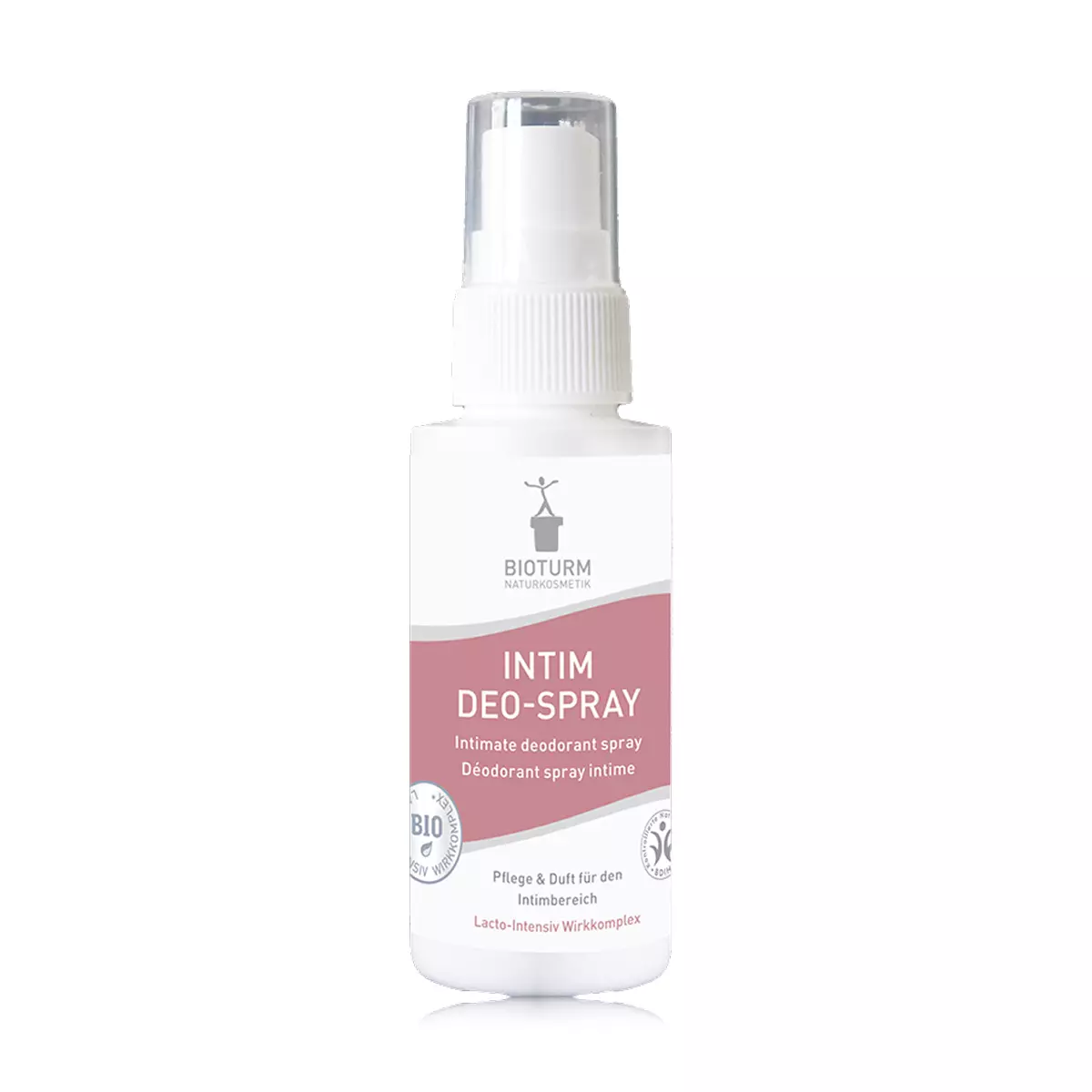
- Avoiding Sprays and Deodorants : Intimate deodorants and sprays are unnecessary and often counterproductive. Rather than providing freshness, they frequently cause irritation and can actually create unpleasant odors by disrupting the area's natural balance.
A Healthier Approach
True intimate care is an act of self-love that promotes confidence and daily comfort. Instead of relying on aggressive cleaning methods or masking products, prioritize:
- Consistency: Change your underwear daily.
- Gentle Products: Incorporate a soothing, pH-balanced intimate care balm into your routine to help protect and nourish the skin.
- Moderation: Keep your cleansing routine simple and gentle to ensure your natural flora remains balanced and resilient.
Understanding Your Anatomy
To care for yourself properly, it is important to distinguish between your anatomy:
- The Vagina : The internal canal. It is a "self-cleaning machine" that maintains its own balance. You do not need to wash internally.
- The Vulva : The external genitalia (labia, clitoris, etc.). This is skin that requires regular, gentle external cleansing.
What does a typical routine consist of?
Just as oral hygiene entails more than just one thing, vulvar/vaginal hygiene does too.
1. Nutrition
It really does all start with food!
Our entire body needs a wide range of nutrients in order to function optimally, so, what we eat and drink affects our vulva and vagina in the same way that what we eat and drink affect all parts of our body.
To maintain the most optimal vulvar and vaginal health, a diet rich in the below is recommended:
- Antioxidants
- Vitamin E
- Vitamin C Omega-3 fatty acids
- Omega-6 fatty acids
- Protein
- Probiotics.
2. Cleaning
Likely, cleaning your bits is a far less process than you might have guessed.
2.1 In the shower
The vagina is a self-cleaning machine. If you’ve ever seen discharge in your underwear, assuming it doesn’t have a new odor or tinge, that’s evidence that your vagina is functioning just right.
The vulva, on the other hand, isn’t self-cleaning. The vulva is skin, and it’s skin that needs to be washed just like any other skin on the body, and with carefully chosen products.
2.2 After going to the bathroom
The most important thing to keep in mind when wiping (after pooping and peeing) is that you want to wipe your anus and vagina separately. Meaning, wipe one area, discard the used paper. Then wipe the other area. The reason - you don’t want to contaminate the urethra with anything from the rectum, because it increases the risk of a urinary tract infection.
2.3 After sex
Simple: pee! Peeing cleans out any bacteria that may have migrated into the urethra during play, which may help reduce the risk of a UTI. You can also do one little swish of water on your vulva with your finger, but don’t do any internal washing or scrubbing.
3. Soothing
You really don’t need to be worrying about soothing your vulva skin unless it’s irritated.
If it is irritated, it might be a good idea to stop using any fragrant products and switching to a pH balanced cleanser like Gynoclean ®, specially developed for women's intimate hygiene. Its gentle formula, thanks to the action of Calybiota, helps maintain the balance of the vaginal flora and offers effective yet gentle cleansing, even in cases of urogenital discomfort. Hyaluronic acid and lactic acid strengthen the natural defenses of the mucous membranes and form a moisturizing and protective film against external influences.
Should the irritation not go away, reach out to a healthcare provider.
Intimate Grooming: Best Practices
While removing pubic hair is a personal choice, it is important to understand the risks, as the skin in the intimate area is highly sensitive. Improper methods can lead to irritation, inflammation and folliculitis.
- Avoid Dry Shaving : Never shave without a lubricant; it causes significant friction, itching and burning.
- Skip Depilatory Creams : Chemical hair removal creams are generally too harsh and can trigger allergic reactions on sensitive skin.
- Choose Wet Shaving : If you choose to shave, use a sharp, clean razor and a moisturizing shaving gel or cream. Always cleanse the area first.
- Prioritize Aftercare : Regardless of the method used, always apply a gentle, pH-balanced intimate care balm afterward to soothe the skin and prevent bumps or ingrown hairs.
- Professional Methods : If you prefer waxing, laser or electrolysis, ensure you use a reputable professional who follows strict sanitary protocols.
While pubic hair serves a biological function by protecting skin from friction, your grooming routine is a matter of personal preference. When you do remove hair, choosing the right technique and soothing the skin afterward is essential to maintaining your intimate health.
- Letting it grow: Requires no active removal. You can maintain hygiene and aesthetics by trimming or shaping with dedicated, sanitized tools (clippers, trimmers, or shears). Never share these tools.
- Shaving: Effective but carries a high risk of cuts, micro-tears, and bacterial infection. Always use a clean razor, apply a lubricant (like shaving gel), and soothe the skin afterward with moisturizer or cortisone cream. Avoid products near the vaginal opening. always shave in the direction of hair growth. Afterwards, women should use an intimate care balm, which instantly soothes sensitive skin. This can help prevent ingrown hairs and bumps from forming.
- Waxing and threading: These methods pull hair from the root, which can lead to folliculitis, cysts, or viral infections if sanitary protocols are not followed. Always choose a professional, reputable salon that uses disposable materials, gloves, and strictly avoids "double-dipping" wax sticks.
- Chemical depilatories: These dissolve hair for easy removal. They are convenient but highly prone to causing allergic reactions and skin irritation. Always perform a patch test first and keep products away from the vaginal opening.
- Laser hair removal and electrolysis: These offer long-term reduction by targeting the hair follicle. Electrolysis carries a risk of scarring, especially for those prone to keloids. For both, it is critical to seek treatment only from trained, experienced medical professionals rather than bargain providers.
Guidelines for Anal Hygiene
Maintaining anal hygiene is an essential, although often overlooked, aspect of overall intimate health. Because the skin in this region is highly sensitive and positioned close to the vagina, careful hygiene is necessary to prevent discomfort and the spread of bacteria.
Many people silently endure symptoms like itching or burning due to the "taboo" nature of the subject. Please remember that anal conditions are routine for medical professionals; there is no need for shame or fear. If you experience persistent discomfort, consult a doctor.
The skin around the anus has a slightly acidic pH of 5 and requires gentle care. Follow these steps to maintain health and prevent irritation:
1. Select the Right Products:
- Avoid standard soaps: These can disrupt the skin’s natural balance.
- Use specialized intimate cleansers: Products like Gynoclean® are formulated to maintain your natural flora. Ingredients like lactic acid and hyaluronic acid help strengthen mucous membranes, while Calybiota supports a healthy balance.
- Use intimate balms: After cleansing, a soothing balm can provide a protective, moisturizing film against external irritants.
2. Gentle Cleansing Technique:
- Pat, don’t rub: After washing, gently pat the area dry with a soft towel. Rubbing causes friction that can damage sensitive skin.
- Prioritize cleanliness: Always use a fresh, clean towel daily.
3. Choose Toilet Paper Wisely:
- Opt for high-quality, soft toilet paper.
- Avoid products containing bleaches, artificial fragrances, or dyes, as these are common skin irritants.
Excessive Intimate Care in Women
While many women prioritize intimate hygiene out of a desire for cleanliness and confidence, it is possible to "overdo it." In fact, excessive washing is often the hidden cause of the very discomforts, such as irritation and recurring infections, that many are trying to avoid.
The vagina maintains a delicate, naturally acidic environment with a pH between 4 and 4.5. This acidity is essential for healthy vaginal flora, which acts as your body’s natural defense against pathogens. Aggressive washing, frequent douching, or the use of harsh soaps can strip away this protective layer, leaving the area vulnerable to bacterial and fungal growth.
To maintain a healthy balance, keep these principles in mind:
- Less is More: You do not need to wash the intimate area relentlessly. A gentle, once-daily external cleanse is sufficient for most women.
- Prioritize pH-Balanced Products: Avoid standard shower gels, which are often too alkaline. Use only products specifically formulated to respect the intimate area's natural pH.
- Soothe and Protect: After cleansing, applying a specialized intimate care balm can help nourish the skin and maintain a protective barrier against external influences.
- Focus on Health, Not Odor: If you feel insecure about natural odors, avoid masking them with sprays or excessive washing, as these can actually worsen the situation by disrupting your flora. If you notice a persistent or unusually strong odor, it is best to consult a healthcare provider rather than increasing your hygiene intensity.
Ultimately, maintaining a gentle, consistent routine is the most effective way to support your intimate health and comfort.
How Your Underwear Choices Impact Intimate Health
The clothing that sits closest to your skin plays a significant role in your intimate comfort. While certain styles may be preferred for aesthetic reasons, prioritizing breathable, skin-friendly materials is essential for preventing irritation and infections. Here you have some tips for healthy choices:
- Prioritize Breathable Fabrics: Synthetic fabrics often trap heat and moisture, creating a perfect breeding ground for fungi and bacteria. Whenever possible, opt for cotton, which allows the skin to breathe.
- Mind Your Style: Thongs can be worn occasionally, but wearing them daily can increase friction and the transfer of bacteria. Aim to rotate your underwear styles.
- Choose High-Quality Liners: If you use panty liners, ensure they are high-quality and breathable to prevent moisture buildup.
- Wash with Care: Use gentle, non-irritating detergents for your undergarments. Ensuring no alkaline soap residues remain on the fabric after washing is crucial, as these can easily irritate sensitive intimate skin.
- Summer and Water Safety: Warm, damp environments encourage the growth of bacteria and fungi. To stay protected during the summer: Change Out of Wet Swimwear: Never spend extended periods in a wet swimsuit. Changing into dry clothes as soon as possible allows the area to breathe and dry, significantly reducing your risk of irritation and urinary tract infections (UTIs).
By being mindful of your fabrics and clothing habits, you can keep your intimate area dry, comfortable and healthy throughout the day and year.
-----------------
This article provides general information only and should not be used for self-diagnosis or self-treatment. It cannot replace a visit to a doctor. Always inform yourself about the use of over-the-counter medications by reading the package insert or asking your doctor or pharmacist.
First published : 30.06.2026 M
Modified : 30.06.2026
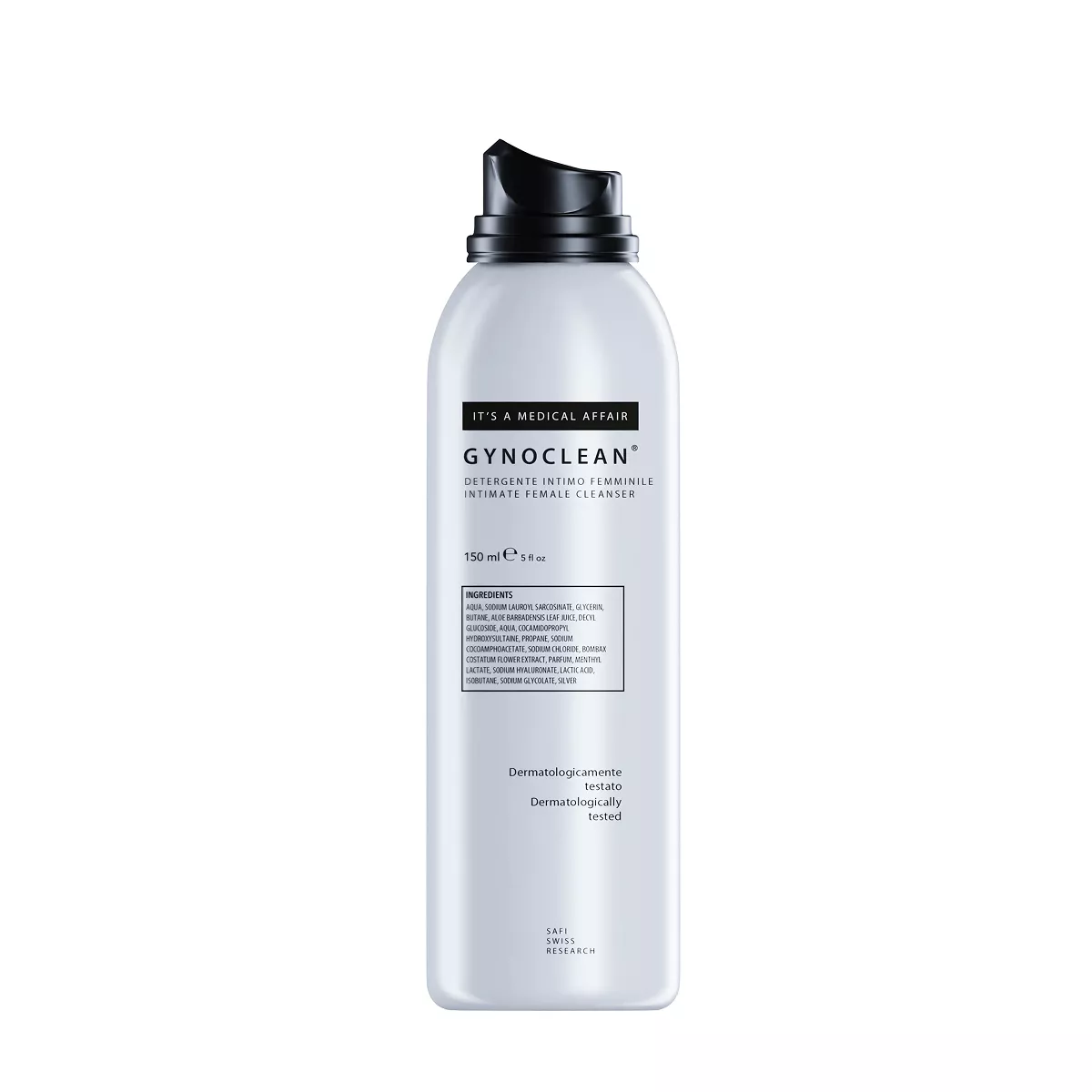
Content: 0.15 Litre (€160.00 / 1 Litre)
 (1)
(1)
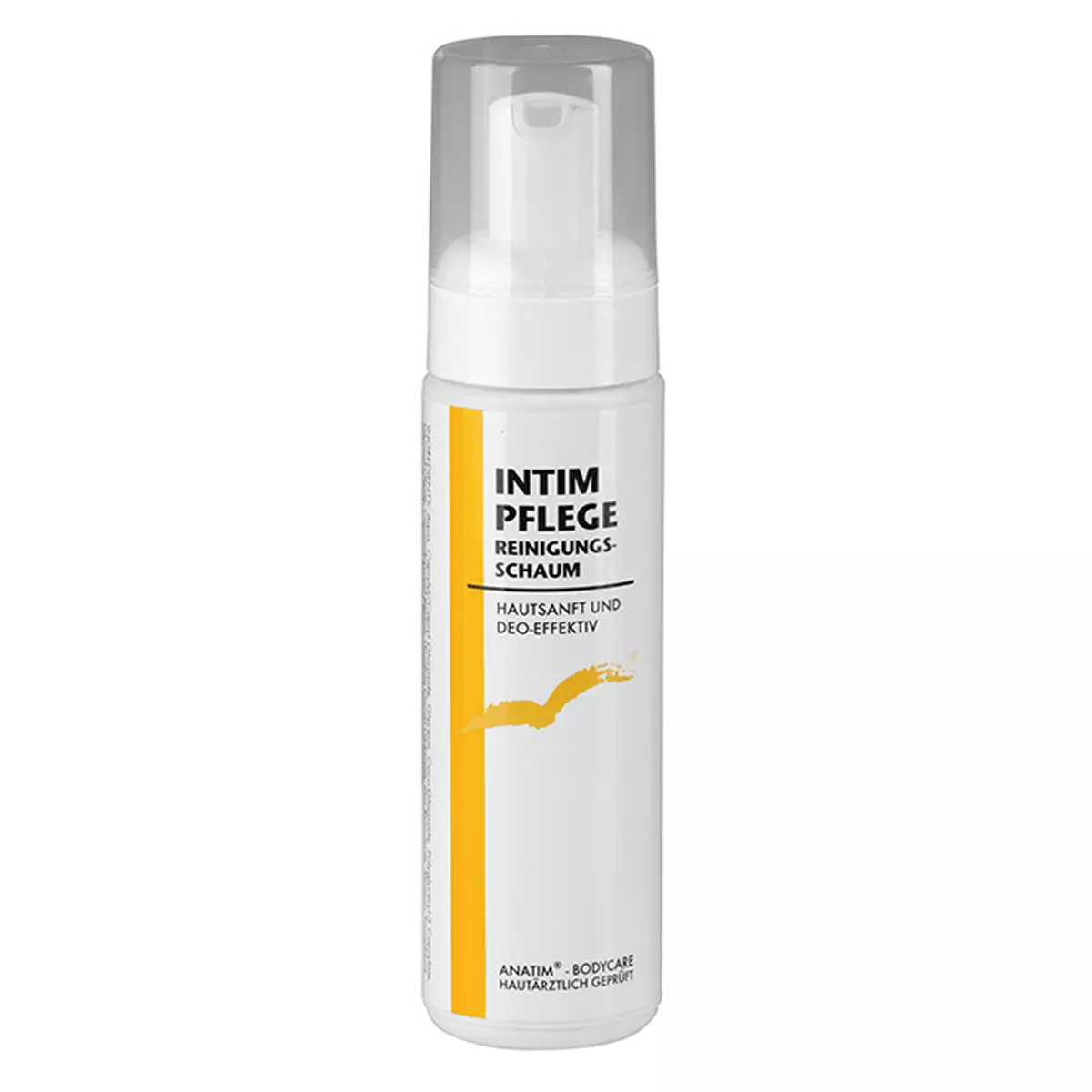
Content: 0.2 Litre (€49.50 / 1 Litre)
 (175)
(175)
Content: 0.05 Litre (€185.00 / 1 Litre)