

In a nutshell: The most important things at a glance
From Agricultural Waste to Super-Resource: The Untapped Potential of Rice Bran
What if one of the world’s biggest agricultural waste products held the key to healthier hearts, cleaner cosmetics, and eco-friendly industrial manufacturing? Every year, rice production yields millions of tons of rice bran, a nutrient-rich outer shell once routinely discarded. Today, groundbreaking green chemistry and material science are transforming this humble byproduct into an indispensable super-resource. Here is a look at how rice bran is revolutionizing health, beauty and sustainable technology.

Overview
With global annual production reaching an astounding 740 million tons , rice (Oryza sativa) stands as one of humanity’s primary staple foods. Around 90% of all rice is cultivated and consumed in Asian countries. However, processing this massive crop generates enormous volumes of agricultural byproducts. chief among them, rice bran.
Historically treated as mere waste or low-value animal feed, the outer layer of the rice grain is undergoing a major perception shift. Thanks to advancing research in material science, chemistry, and nutrition, rice bran is fast becoming recognized as a high-value, sustainable resource across multiple global industries.
(Note: Rice bran should not be confused with other grain brans, such as oat or wheat bran.)
1. Health & Nutritional Benefits
Rice bran is packed with essential nutrients, including antioxidants, vitamins, minerals, and dietary fibers. It is used as a functional food component and dietary supplement:
- Cardiovascular & Cholesterol Support: Both full-fat rice bran and rice bran oil contain key compounds—including Vitamin E, Phytosterols, and Oryzanol, that help significantly lower total cholesterol and "bad" LDL cholesterol when combined with a reduced-fat diet.
- Antioxidant & Anti-Inflammatory Properties: Helps protect cells against oxidative stress and manage systemic inflammation.
- Healthy Fatty Acid Profile: Rich in beneficial fatty acids like Oleic Acid and Linoleic Acid.
- Kidney Stone Prevention: May help prevent certain types of kidney stones in individuals with high calcium levels.
- Skin Care: Topically applied (such as in baths), it helps soothe allergic and irritated skin conditions like eczema (atopic dermatitis).
Note: While historically explored for managing diabetes, high blood pressure, and immune health, additional scientific evidence is still needed to fully rate its effectiveness for these broader conditions.
2. Multi-Industry & Industrial Applications
As global demand shifts toward renewable, sustainable materials, rice bran’s versatility makes it a valuable asset beyond nutrition:
- Cosmetics & Personal Care: Nano-emulsions formulated from Rice Bran Oil protect skin against UV radiation, mitigate signs of aging, and act as key functional ingredients in gels and moisturizers.
- Food Tech & Functional Foods: Extracted rice bran proteins and dietary fibers are increasingly used as ingredients in meat substitutes, high-fiber bakery products, and health foods.
- Bio-Lubricants & Advanced Materials: High thermal and friction-reducing (tribological) properties allow Rice Bran Oil to be used as an eco-friendly bio-lubricant.
- Eco-Coatings & Soaps: Extraction techniques (such as using $\text{CO}_2$-expanded acetone) enable bio-oil recovery for manufacturing eco-soaps, surface coatings, and bio-based products.
- Biofuels & Agriculture: Serves as a nutrient-dense feed additive for livestock and holds promising potential for bioenergy production.
3. Safety, Side Effects and Precautions
While rice bran offers extensive health benefits, proper usage precautions should be noted:
- Digestive Adjustment: Oral intake can initially cause mild digestive discomfort, gas, or unpredictable bowel movements due to high fiber content.
- Topical Sensitivity: Bath applications may occasionally cause mild itching or skin redness in sensitive individuals.
- Medication Interactions: High fiber content can decrease how much medicine the body absorbs. Take oral medications at least one hour before or after consuming rice bran.
- Gastrointestinal Restrictions: Do not use rice bran if you have GI tract blockages, slow digestion, intestinal ulcers, or swallowing difficulties, as the dense fiber could pose a choking or obstruction risk.
- Pregnancy & Breastfeeding: Safe in normal food amounts; consult a healthcare provider before taking larger medicinal doses.
4. Fun Facts & Trivia: The Unexpected Uses of Rice Bran
- Immortal Pickle Beds: In Japan, fermented rice bran (Nukadoko) is used to make Nukazuke pickles. Some family pickle beds are stirred daily and kept active across multiple generations for over a century!
- The Tempura Secret: Top Asian chefs prefer Rice Bran Oil over olive or canola oil for high-heat cooking because of its ultra-high smoke point (450F, 232C) and delicate, non-greasy finish.
- Natural Breath Freshener: Swishing rice bran oil (oil pulling) for a few minutes daily has been shown in clinical studies to naturally reduce oral bacteria and combat bad breath.
The Road Ahead
Rather than discarding millions of tons of agricultural byproduct each year, researchers are demonstrating how chemistry and material science can transform rice bran into an extraordinary economic and ecological opportunity.
By tapping into its hidden chemical composition, industries can advance sustainable resource management while creating cleaner, healthier consumer products.
First published: 06.11.2026
Updated: 06.11.2026
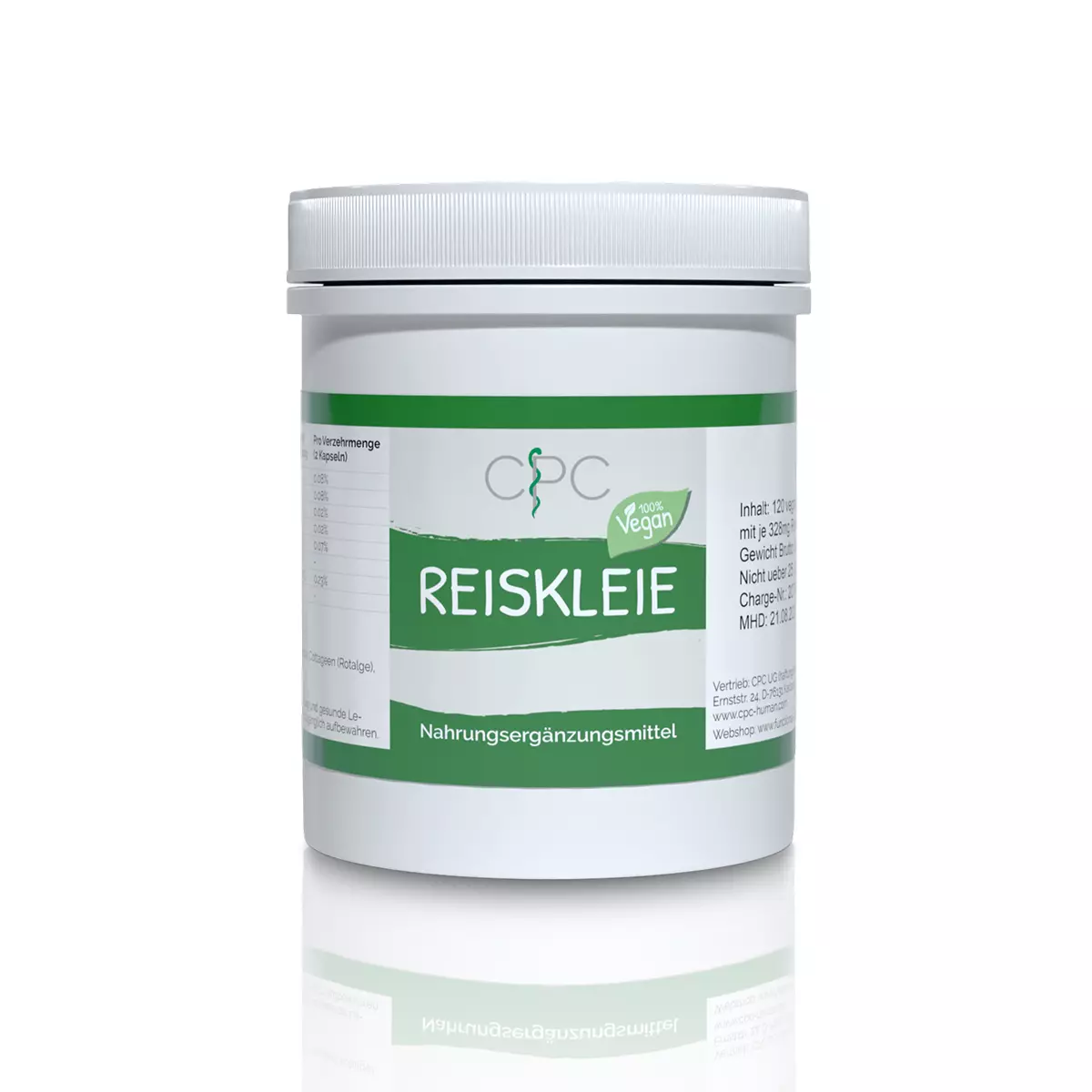
Content: 0.039 Kilogram (€1,730.77 / 1 Kilogram)
Content: 0.019 Kilogram (€2,052.63 / 1 Kilogram)
Content: 0.5 Kilogram (€39.80 / 1 Kilogram)