

In a nutshell: The most important things at a glance
The Ultimate Guide to B-Complex Vitamins: Benefits, Sources and Deficiencies
Whether you are trying to maintain steady energy levels, support brain health or keep your immune system strong, B vitamins play a central role in keeping your body functioning at its best. Although often grouped together as the "B-complex," these eight distinct, water-soluble nutrients each perform unique and essential jobs, from converting the food you eat into cellular fuel to synthesizing DNA and producing red blood cells.
Because the human body cannot store most B vitamins for long periods, getting a steady supply through diet or targeted supplementation is critical. In this comprehensive guide, we examine how each B vitamin works, where to find them in food, who is most at risk for deficiency and how much you need daily to maintain optimal health.

What is vitamin B complex?
B vitamins are a group of nutrients that play many important roles in your body. There are 8 types of B vitamins and are found in a variety of foods. This means most people get the recommended amounts of these vitamins through diet alone.
Who should take a vitamin B complex?
Since B vitamins are found in many foods, you are most likely not at risk of developing a deficiency as long as you follow a well-rounded diet.
However, certain circumstances increase the need for B vitamins, making supplements necessary:
1. People who are pregnant or nursing
- During pregnancy, the demand for B vitamins, particularly B12 and folate, grows. This is because they are needed to support fetal development.
- In people who are pregnant or breastfeeding or chestfeeding — especially those who follow vegetarian or vegan diets — supplementing with a B-complex vitamin is crucial.
- B12 or folate deficiency during pregnancy or while nursing can lead to severe neurological damage or birth defects in the fetus or infant.
2. Older adults
- As you age, your ability to absorb vitamin B12 decreases and your appetite declines, making it difficult for some people to get enough B12 through diet alone.
- The body’s ability to release B12 from food so that it can be absorbed depends on adequate amounts of stomach acid.
- However, it’s estimated that many older adults don’t produce enough stomach acid to properly absorb B12. If you take medications to reduce stomach acid in order to treat acid reflux or heartburn, this can also inhibit your B12 absorption.
3. Those with certain medical conditions
People with certain medical conditions are more likely to develop deficiencies in nutrients like B vitamins. This includes:
- Celiac disease
- Crohn’s disease
- Alcoholism
- Hypothyroidism
- Anorexia.
What’s more, people who have undergone certain weight loss surgeries are also more likely to be deficient in B vitamins.
In these circumstances, people are often advised to supplement with a B-complex vitamin to correct or prevent deficiencies.
4. Vegetarians and vegans
- Vitamin B12 is naturally found in animal products like meat, dairy, eggs, and seafood.
- Vegans and strict vegetarians could be at risk of developing a B12 deficiency if they don’t get enough of this vitamin through fortified foods or supplements.
- A daily B-complex vitamin can help ensure that people who choose to follow diets that eliminate animal products are getting enough of these important nutrients.
5. People taking certain medications
- Commonly prescribed medications can lead to a deficiency in B vitamins.
- For example, proton pump inhibitors, which are medications that lower stomach acid, can decrease the absorption of B12, whereas metformin, a popular diabetes drug, can decrease levels of both B12 and folate.
In these circumstances, supplementing with B vitamins may be necessary. Nutritional supplements that contain all 8 B vitamins are referred to as B-complex vitamins or vitamin B complex.
Deep Dive: The 8 B Vitamins
1. Thiamin (Vitamin B1)
Thiamin concentrates heavily in the brain, heart, kidneys, and liver. It plays a critical role in extracting energy from carbohydrates and manufacturing essential neurotransmitters.
- Key Functions : Glucose breakdown, cellular energy release, neurotransmitter synthesis, fatty acid production.
- Top Food Sources : Fortified grains and cereals, pork, trout, mussels, acorn squash, black beans, and seeds.
- Deficiency Symptoms : Memory loss, confusion, muscle weakness, nerve tingling, loss of appetite, and cardiovascular complications.
- High-Risk Groups : Individuals with alcohol dependence, older adults, people with diabetes, heart failure patients and bariatric surgery recipients.
Note: Alcohol dependency can severely disrupt thiamin absorption, potentially causing Wernicke-Korsakoff Syndrome (WKS), a severe neurological condition requiring urgent medical intervention.
2. Riboflavin (Vitamin B2)
Riboflavin acts as a crucial co-factor in cellular respiration and is necessary to convert other vitamins (like B3 and B6) into active forms.
- Key Functions : Energy metabolism, breakdown of fats and steroid hormones, converting tryptophan into active niacin.
- Top Food Sources : Organ meats, milk, yogurt, fortified breakfast cereals, oatmeal, mushrooms, and almonds.
- Deficiency Symptoms : Cracked corners of the mouth (angular cheilitis), swollen tongue/lips, hair loss, skin disorders and red, irritated eyes. Severe deficiency can lead to anemia and cataracts.
- High-Risk Groups : Strict vegans, athletes avoiding dairy/meat, pregnant/lactating individuals and people with thyroid disorders.
3. Niacin (Vitamin B3)
Niacin converts into nicotinamide adenine dinucleotide (NAD), a coenzyme driving over 400 enzymatic reactions - more than any other vitamin-derived coenzyme.
- Key Functions : Converting macronutrients into ATP (cellular fuel), DNA repair, inter-cellular communication, cell signaling.
- Top Food Sources : Poultry, beef, fish, whole grains, nuts, legumes, and fortified cereals.
- Deficiency Symptoms : Extreme deficiency causes pellagra, characterized by the "3 Ds": dermatitis (rough, dark skin rashes), diarrhea (and digestive upset), and dementia (confusion, depression, memory loss).
- High-Risk Groups : People suffering from severe malnutrition, anorexia nervosa, alcohol use disorder, inflammatory bowel disease (IBD), or Hartnup disease.
4. Pantothenic Acid (Vitamin B5)
Pantothenic acid is essential for building coenzyme A (CoA), which helps synthesise fatty acids and process nutrients into cellular energy.
- Key Functions : Coenzyme A synthesis, red blood cell production, fatty acid breakdown.
- Top Food Sources : Beef liver, shiitake mushrooms, sunflower seeds, chicken, tuna, avocados, and fortified grains.
- Deficiency Symptoms : Rare due to widespread availability in food, but severe shortage can cause "burning feet syndrome", irritability, insomnia, headache and fatigue.
- High-Risk Groups : Individuals with extreme malnutrition or rare genetic mutations (e.g., PKAN2 mutation).
5. Vitamin B6 (Pyridoxine)
Vitamin B6 is involved in over 100 enzymatic reactions, primarily focused on protein metabolism and immune system support.
- Key Functions : Amino acid metabolism, neurotransmitter production, immune defense, cognitive development.
- Top Food Sources : Chickpeas, tuna, salmon, poultry, potatoes, organ meats, and fortified cereals.
- Deficiency Symptoms : Anemia, swollen tongue (glossitis), cracked lips, depression, confusion, and weakened immunity.
- High-Risk Groups : People with chronic kidney disease, kidney transplants, autoimmune conditions (e.g., rheumatoid arthritis), or inflammatory gastrointestinal diseases (celiac, Crohn's).
6. Biotin (Vitamin B7)
Biotin regulates gene expression and breaks down fats and carbohydrates. While widely marketed for cosmetic health, evidence showing that supplementation improves hair, skin, or nails in non-deficient individuals remains limited.
- Key Functions : Macronutrient metabolism, cellular signal transmission, gene expression regulation.
- Top Food Sources : Eggs (cooked), salmon, pork, beef, sunflower seeds, and organ meats.
- Deficiency Symptoms : Thinning hair, brittle nails, scaly red rashes around facial orifices, depression and lethargy.
- High-Risk Groups : Pregnant/lactating women, individuals with biotinidase deficiency (a genetic metabolic disorder), and those with chronic alcohol overuse.
7. Folate (Vitamin B9)
Folate, or Folic Acid, occurs naturally in foods, whereas folic acid is its synthetic counterpart used in supplements and food fortification. It is vital during periods of rapid growth, such as pregnancy.
- Key Functions : DNA synthesis and repair, amino acid metabolism, red blood cell formation, preventing neural tube birth defects.
- Top Food Sources : Dark leafy greens (spinach, kale), beef liver, avocados, papaya, orange juice, legumes, and fortified grain products.
- Deficiency Symptoms : Megaloblastic anemia, fatigue, heart palpitations, mouth sores, weakness, and irritability.
- High-Risk Groups : Pregnant women, individuals with malabsorption disorders (celiac, IBD), and people with chronic alcohol use disorder.
Safety Threshold : Adults should not exceed 1,000 mcg of synthetic folic acid daily from fortified foods/supplements. Excess folic acid can mask an underlying Vitamin B12 deficiency, potentially leading to irreversible nerve damage.
8. Vitamin B12 (Cobalamin)
Containing the trace mineral cobalt, B12 works in close tandem with folate to maintain healthy nerve cells and produce blood cells.
- Key Functions : Nerve myelin sheath maintenance, red blood cell production, brain function, DNA synthesis.
- Top Food Sources : Found almost exclusively in animal products (clams, beef liver, salmon, beef, dairy, eggs) and fortified plant foods (nutritional yeast, enriched cereals).
- Deficiency Symptoms : Megaloblastic anemia, numbness/tingling in hands and feet (peripheral neuropathy), memory loss, balance issues, and fatigue.
- High-Risk Groups : Strict vegans and vegetarians, older adults (due to reduced stomach acid needed for absorption), and individuals who have undergone gastric bypass surgery.
Daily recommended values for adults
- Vitamin B1 (Thiamin): 1.2 mg for adults, 1.4 mg during pregnancy/lactation
- Vitamin B2 (Riboflavin): 1.3 mg for adults, 1.6 mg during pregnancy/lactation
- Vitamin B3 (Niacin): 16 mg for adults, 18 mg during pregnancy/lactation
- Vitamin B5 (Pantothenic Acid): 5 mg for adults, 7 mg during pregnancy/lactation
- Vitamin B6 (Pyridoxine): 1.7 mg for adults, 2.0 mg during pregnancy/lactation
- Vitamin B7 (Biotin): 30 mcg for adults, 35 mcg during pregnancy/lactation
- Vitamin B9 (Folate): 400 mcg DFE for adults, 600 mcg DFE during pregnancy/lactation
- Vitamin B12 (Cobalamin): 2.4 mcg for adults, 2.8 mcg during pregnancy/lactation.
Health benefits of taking B vitamins
While certain conditions make it necessary for some people to supplement with B-complex vitamins, research has shown that taking a B vitamin supplement may be helpful even for people who don’t have an increased need for these nutrients.
May reduce stress and boost mood
- B-complex vitamins are often used to reduce fatigue and boost mood. Some studies suggest that B vitamins can lift your spirits and improve your cognitive performance.
- Another study in healthy adults showed that supplementing with a multivitamin containing high levels of B-complex vitamins for 90 days reduced negative mood symptoms.
May reduce symptoms of anxiety or depression
- While B-complex vitamin supplements are not a cure for mental health conditions, they may help improve symptoms of depression or anxiety.
- A 2019 systematic review found that B vitamins may help to boost mood and brain health.
- Low blood levels of certain B vitamins, including B12, B6, and folate, have been linked to an increased risk of depression, which is why it’s important to rule out nutrient deficiencies if you are experiencing symptoms of depression.
Key takeaways
- Taking a B-complex vitamin, which includes all eight B vitamins, may benefit your health if you don’t get enough B vitamins from other sources.
- People who are pregnant, vegan, or have certain medical conditions may have a higher risk of B vitamin deficiencies.
- B-complex vitamins may help manage conditions like anxiety or depression. Regardless of the reason for taking them, it’s best to talk with a healthcare professional first to ensure they’re right for you.
Important Note: A varied and balanced diet and a healthy lifestyle are recommended. Store in a cool, dry place and keep out of reach of children.
This article provides general information only and should not be used for self-diagnosis or self-treatment. Always inform yourself about the use of food supplements by reading the package leaflet or asking your doctor or pharmacist.
First published: 03.11.2026
Updated: 03.11.2026
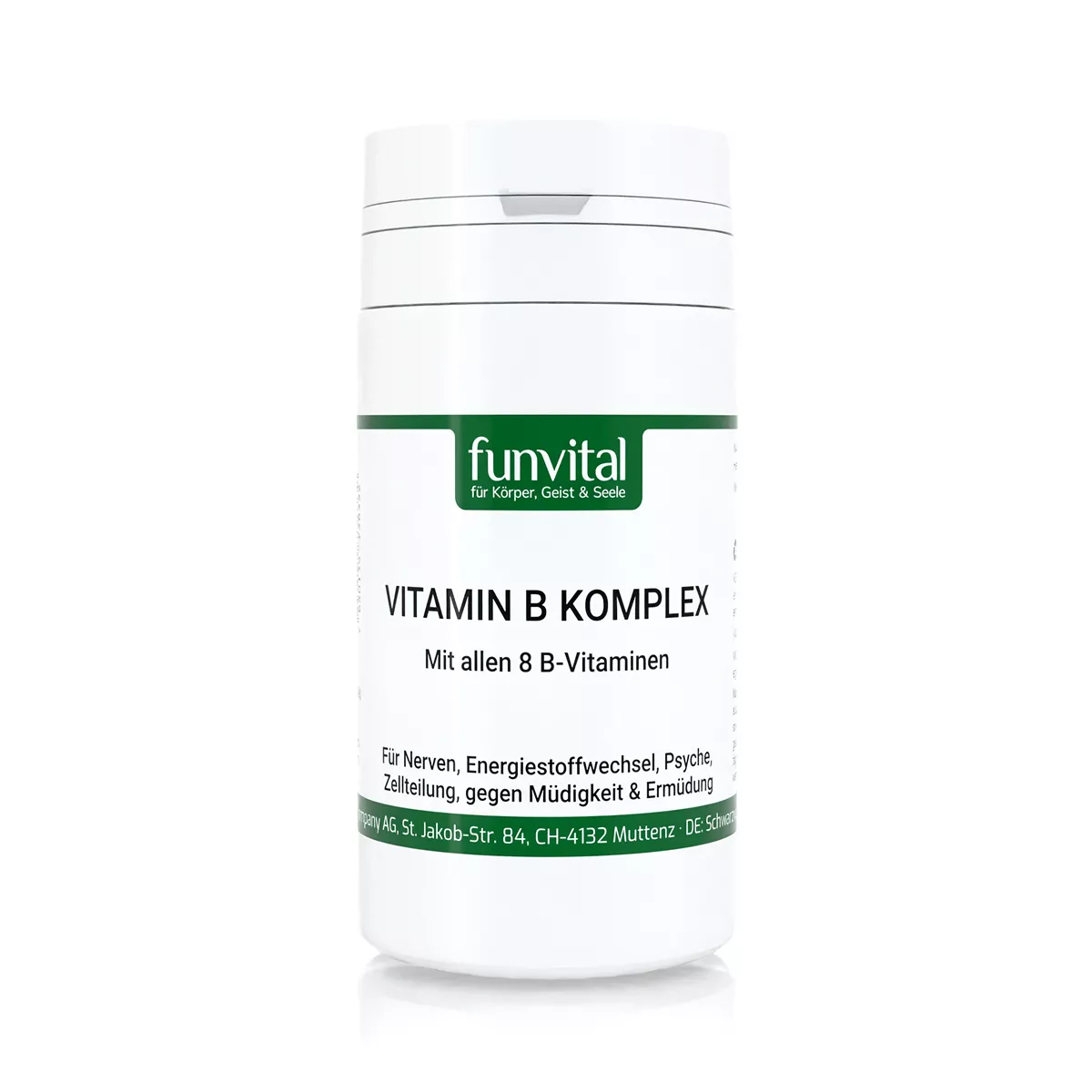
Content: 0.039 Kilogram (€382.05 / 1 Kilogram)
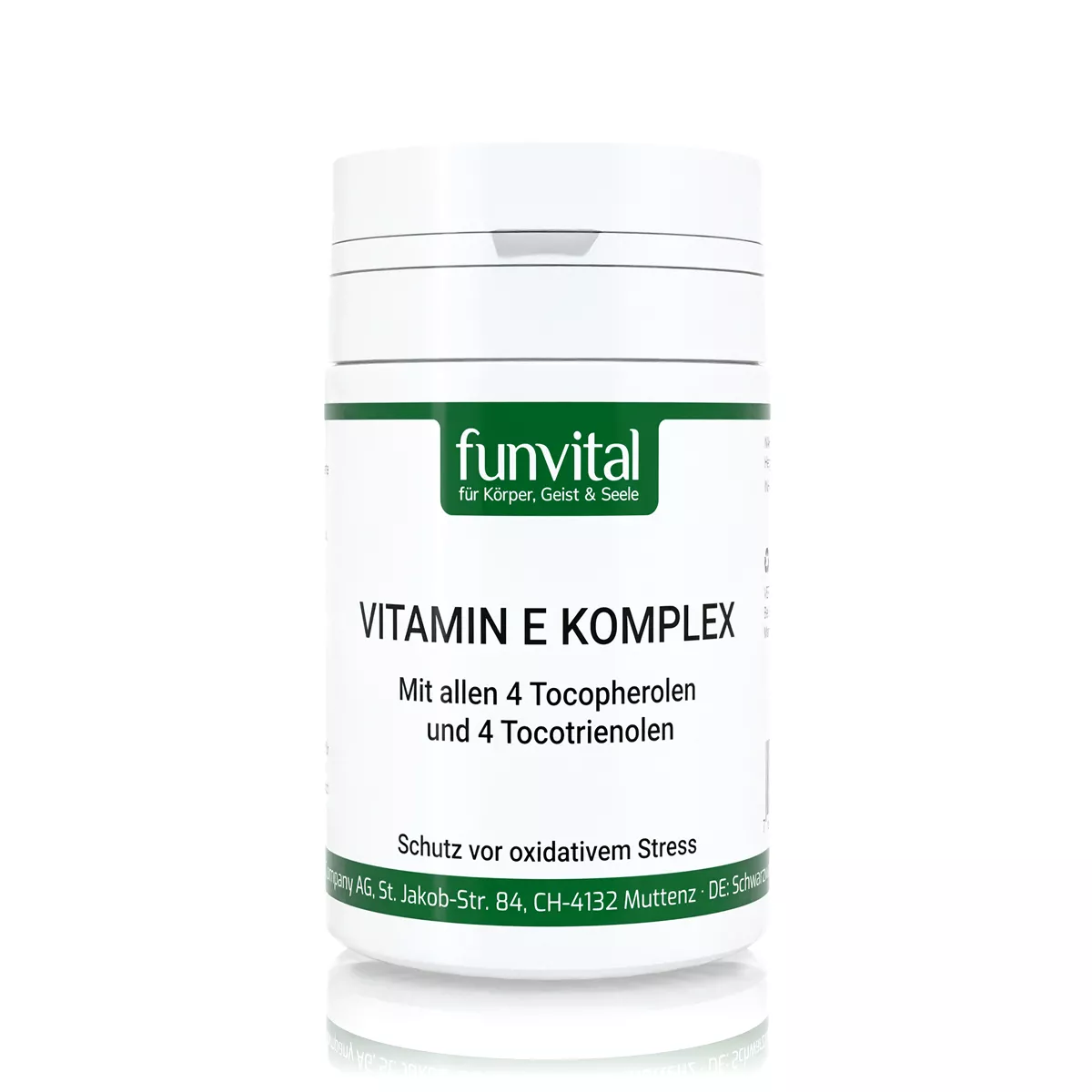
Content: 0.039 Kilogram (€415.38 / 1 Kilogram)
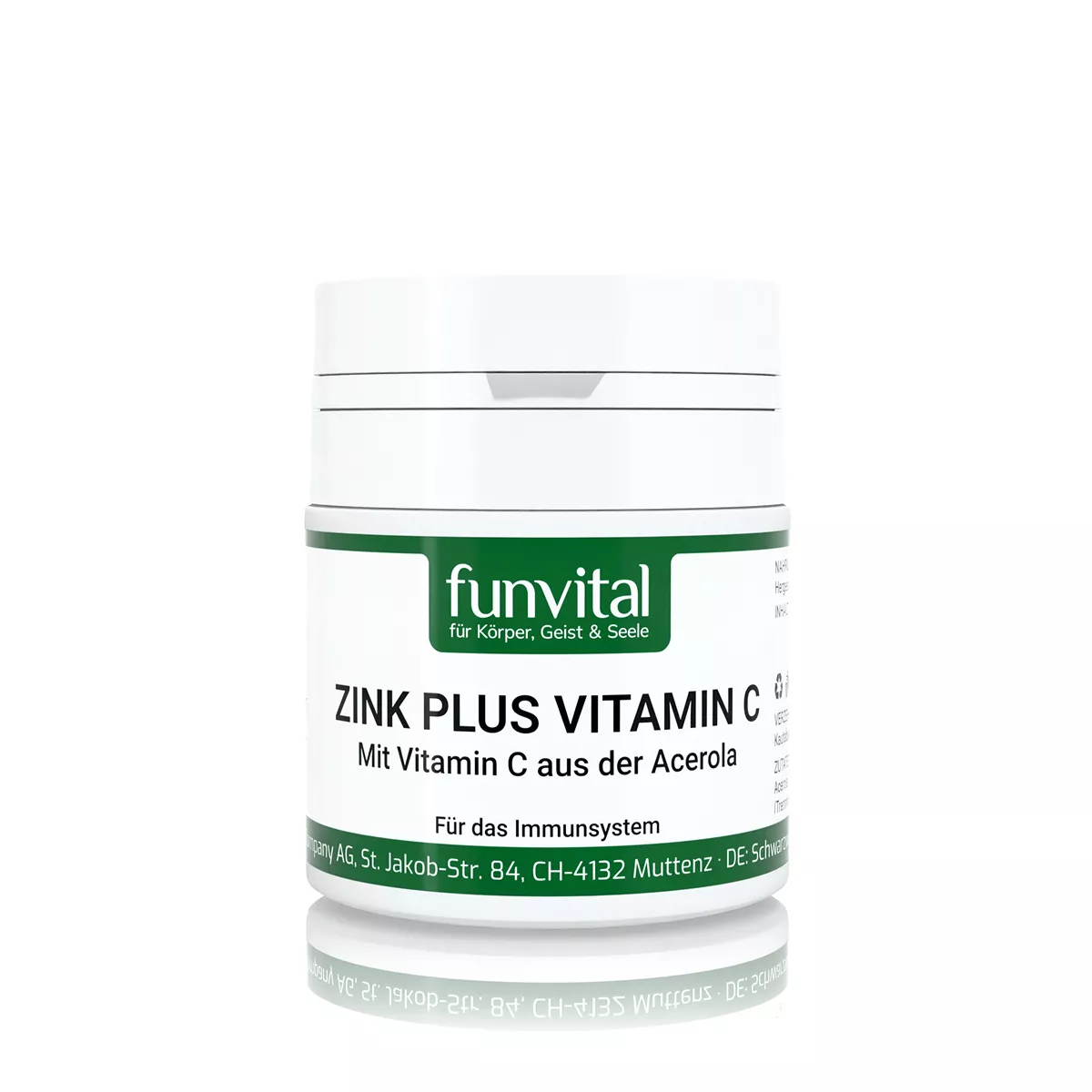
Content: 0.043 Kilogram (€318.60 / 1 Kilogram)