In a nutshell: The most important things at a glance
Nasal Care Guide - why nose matters and how to best care for your nasal health
Nasal hygiene is a crucial element for overall health that often goes overlooked. Our nasal passages play a vital role in filtering pollutants, allergens, and bacteria, but they need proper care in order to function optimally. In this extensive guide we are exploring effective tips and techniques for maintaining nasal health and preventing common issues like congestion, allergies, and infections.

Overview
Maintaining proper nasal hygiene is far more than just a matter of social etiquette; it is a cornerstone of respiratory health. Your nose is your body’s primary filter, serving as the first line of defence against dust, allergens, and pathogens. When this filter becomes clogged, it can affect everything from your sleep quality to your immune response.
Nasal hygiene is a multifaceted practice that encompasses a variety of techniques and lifestyle choices. By incorporating these practices into our daily routine, we can support our respiratory health, prevent infections, and breathe easier. It's a simple yet profound way to enhance our well-being and quality of life.
This guide explains how to keep your nasal passages clear, the science behind different cleaning methods, and the medical verdict on the age-old question: Is it better to blow or sniff?
Introduction to Nasal Hygiene - here are some in-depth insights into the best practices for maintaining nasal hygiene
Nasal hygiene, often overlooked, is a crucial aspect of our daily health routine. It involves the care and maintenance of the nasal cavity to ensure it remains clear of blockages, free from pollutants, and well-hydrated. This practice is not only about cleanliness but also about enhancing the nasal function, which includes filtering out dust, allergens, and other airborne particles that can lead to respiratory issues.
Different cultures and medical practices have emphasized the importance of nasal cleanliness, and modern science supports these views by highlighting the link between nasal hygiene and overall health. For instance, Ayurveda, an ancient Indian medicine system, has long prescribed nasal cleansing as a daily practice known as 'Neti'. Similarly, Western medicine acknowledges the benefits of saline nasal sprays, drops and irrigations, especially for those suffering from chronic sinusitis or allergies.
Best Practices for Respiratory and Nasal Care:
1. Daily Maintenance:
- Nasal Sprays, Nasal Showers and Gentle Blowing. A gentle and effective way to clean the nasal passages is through saline irrigation. This can be done using a neti pot or a saline spray. The saline solution helps to thin mucus, making it easier to expel, and also moistens the nasal lining.
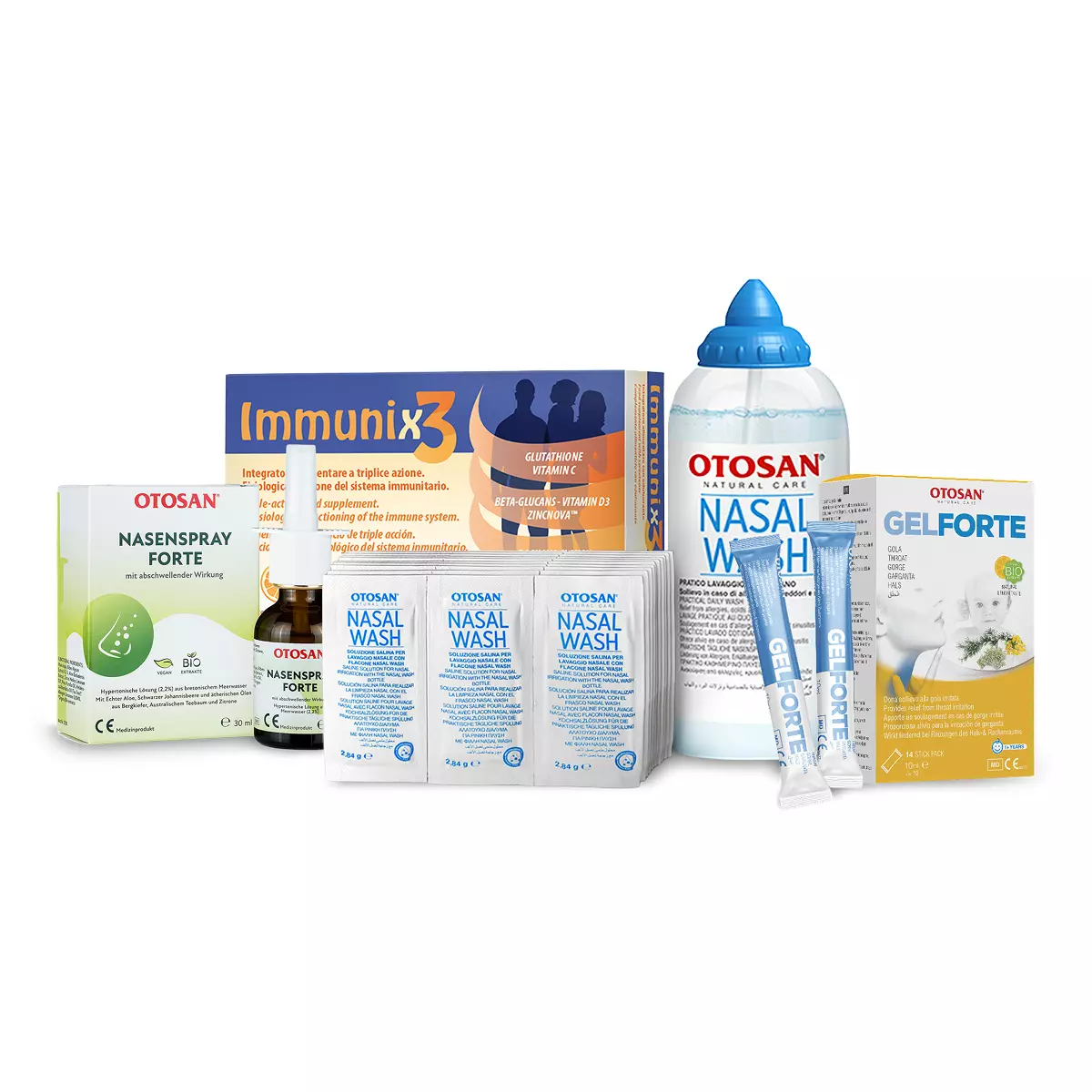
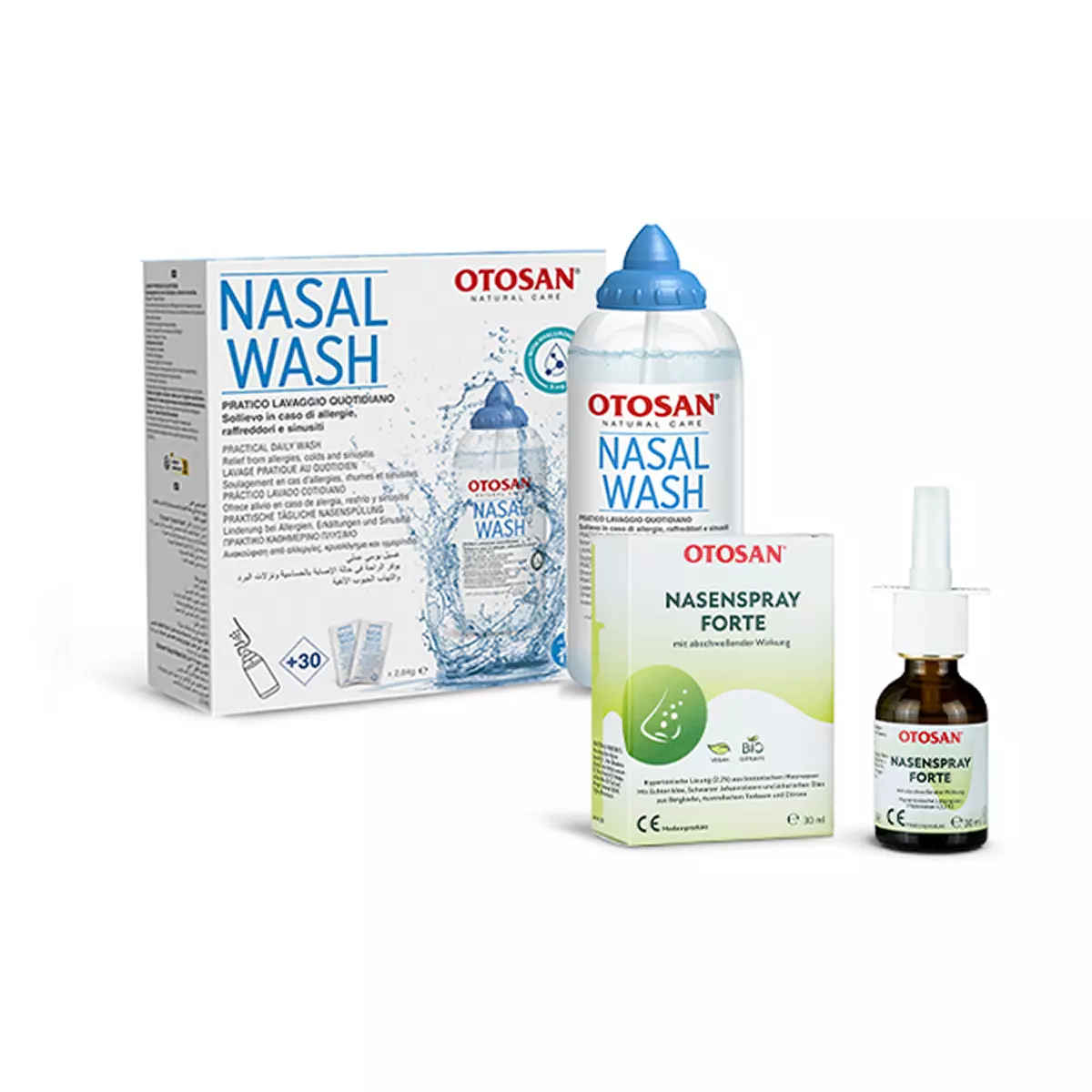
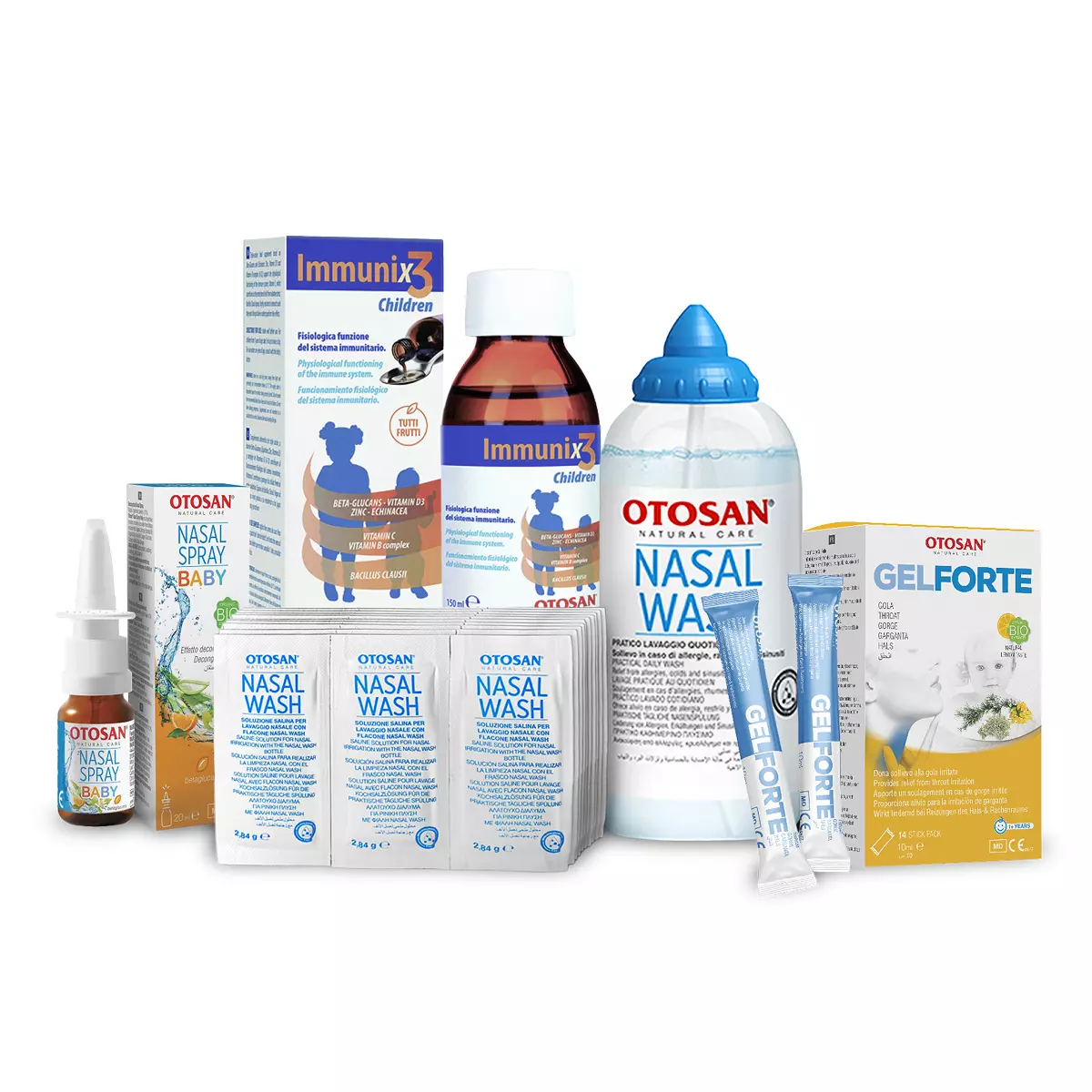
- For everyday care, seawater and organic plants containing sprays are highly effective as they moisturize the nasal lining and help loosen thin mucus. Otosan Nasal Sprays do not contain artificially produced active ingredients that could trigger a dependency effect. They are therefore particularly suitable for long-term use, also for hay fever, and are ideal for the daily care of the nasal mucous membranes in winter. Otosan Nasal Sprays are designed not only to moisturise but also to ensure free breathing.
- Tip : Always blow your nose gently. Using excessive force can create pressure that affects the ears or pushes mucus further into the sinus cavities.
2. Hydration:
Staying well-hydrated is essential for maintaining the mucosal lining in the nose. Drinking plenty of water throughout the day can help keep the mucus thin and prevent blockages. For example, in dry climates or during winter, when heating systems can dry out the air, increasing water intake can help maintain nasal moisture.
3. Avoiding Irritants:
Exposure to smoke, pollution, and strong chemicals can irritate the nasal passages. Avoiding these irritants, or wearing a mask when exposure is unavoidable, can help maintain nasal health. For instance, someone who is sensitive to household cleaning products might use a mask or choose natural, fragrance-free cleaners to reduce nasal irritation.
4. Nasal Exercises:
Just like any other part of the body, the nose benefits from exercises. Breathing exercises, particularly those that involve deep and controlled inhalations, can strengthen the nasal passages and improve their function. An example of this is the practice of 'Pranayama' in yoga, which includes specific techniques designed to enhance respiratory health.
5. Regular Check-ups:
For individuals with chronic nasal issues, regular check-ups with an ENT specialist can help manage conditions like allergies or deviated septum, which can impact nasal hygiene. For example, a person with allergic rhinitis might need regular allergy shots or medication to keep the nasal passages clear.
6. Dietary Considerations:
Certain foods can increase mucus production or lead to congestion. A balanced diet that avoids these foods, especially during times of illness, can support nasal health.
- Dairy products are often thought to increase mucus production, so someone with a cold might choose to reduce their dairy intake temporarily.
- In addition to dairy products, refined sugars, fried foods, specific additives and high-histamine foods (items like aged cheeses, cured or processed meats (salami, bacon) and fermented products (alcohol) trigger histamine release in the body, leading to sinus swelling and congestion. On the other hand, certain nutrients, like vitamin C and zinc, can support immune function within the nasal passages.
By incorporating these practices into daily life, you can experience a noticeable improvement in your nasal health and overall comfort. It's important to establish a routine to match with personal needs and habits. And remember, a clean nose is a happy nose.
Why Nasal Hygiene Matters
A clean nose does more than just help you breathe. Proper hygiene helps to:
- Filter Pollutants: Removes allergens, dust, and smoke before they reach your lungs.
- Prevent Infection: Flushes out bacteria and viruses that can cause sinus infections.
- Improve Sleep: The comfort level of our nasal passages directly affects our overall well-being and sleep quality. High humidity can alleviate symptoms of nasal congestion, leading to better sleep. Clear airways reduce snoring and mouth-breathing.
- Restore Senses: Maintains an optimal sense of smell and taste.
The Great Debate: To Blow or to Sniff?
When a tissue isn't available, many resort to "sniffing back" mucus. While it may not be aesthetically pleasing, some doctors actually prefer it over forceful blowing.
- Pro Sniffing : Sniffing transports mucus to the throat, where it is swallowed. Most pathogens are then neutralized by stomach acid. This method avoids the high-pressure "air vortex" created by blowing, which some argue can force germs into the sinuses.
- Pro Blowing : Proponents of blowing argue that it clears the nasal cavity more effectively. To do this safely, medical professionals recommend the "one-at-a-time" technique: hold one nostril closed while blowing gently through the other. This prevents excessive pressure buildup.
- The Verdict : Both are acceptable if done correctly, but gentle blowing with a disposable paper tissue is generally the most hygienic way to remove waste from the body rather than re-ingesting it.
Common Mistakes to Avoid
- Using Cloth Handkerchiefs: These can harbour bacteria. Stick to disposable paper tissues to prevent re-infection.
- Excessive Force: Blowing too hard can cause ear pain or even damage the delicate lining of the nose.
- Over-Cleaning: Your nose needs a certain amount of moisture and mucus to function. Don't overdo irrigation unless you are fighting a cold or allergies.
- Sharing Devices: Never share Neti pots, aspirators, or spray nozzles.
When to See a Doctor
While nasal congestion is usually temporary, you should consult a professional if you experience:
- Severe facial pain or pressure.
- Symptoms lasting more than 10 days.
- High fever or bloody discharge.
- Difficulty breathing through the nose despite cleaning.
Nasal Care for Children
Nasal hygiene is a crucial aspect of overall health, especially for children, whose developing immune systems are particularly vulnerable to respiratory infections. A child's nose is not just a passageway for air; it's a barrier against environmental pollutants, allergens, and pathogens. Maintaining nasal cleanliness can help prevent the onset of colds, flu and other nasal infections, and it can also aid in faster recovery when a child does fall ill.
It's important to approach nasal hygiene from various perspectives, considering the child's comfort, the effectiveness of cleaning methods, and the practicality of maintaining a routine.
Managing a child's nasal health requires balancing three unique perspectives:
- The Pediatrician: Focusing on preventive care, using regular cleaning to reduce the frequency of upper respiratory infections.
- The Parent: Prioritizes comfort, seeking gentle, non-invasive methods that keep the child cooperative and stress-free.
- The Educator: Emphasizes teaching self-care routines that foster independence and personal responsibility for health as the child grows.
Best Practices for Managing Children's Nasal Health:
- Saline Solutions: A gentle saline solution can be used to moisten the nasal passages and alleviate congestion. For example, a parent can administer a saline spray before their child sleeps to ensure clear breathing throughout the night.
- Nasal Aspirators: For infants and young toddlers, nasal aspirators can be used to clear mucus. It's essential to use these devices gently to avoid causing discomfort or injury to the delicate nasal tissues.
- Hydration: Keeping children well-hydrated is key to ensuring that mucus stays thin and manageable. Encouraging children to drink water regularly can be as simple as giving them a fun, colourful water bottle.
- Humidifiers: Using a humidifier in the child's room, especially during dry seasons or when the child has a cold, can help keep nasal passages moist and more resistant to infection.
- Nasal Wipes: Specially formulated pediatric nasal wipes can be used to clean around the nostrils gently. These are particularly useful when on the go, such as during school hours or trips.
- Teaching Proper Nose Blowing: As children grow, teaching them how to blow their nose correctly is vital. A soft tissue and gentle pressure prevent irritation and ensure that the nasal passages are cleared without causing harm.
- Avoiding Irritants: Minimizing exposure to smoke, strong perfumes, and other irritants can help maintain nasal health. For instance, a child with allergies might need to stay indoors on high pollen count days.
- Regular Check-ups: Routine visits to a pediatrician can help catch any nasal issues early on. For example, a child experiencing frequent nosebleeds might need a check-up to rule out any underlying conditions.
By incorporating the above habits into your child's daily routine you boost their immune health, maximize their comfort and help them breathe easy. Caring for a child's nasal health today sets the foundation for a healthier tomorrow.
Conclusion: The Golden Rules of Nasal Care
Proper nasal hygiene is essential for overall well-being. Whether you’re managing hay fever or a common cold, remember these three rules for a healthy nose:
- Be Gentle: Never force a clear-out; let saline or steams do the heavy lifting.
- Stay Sterile: Use only purified water for irrigation and remember to wash your hands.
- One at a Time: If blowing, always close one nostril to ensure a safe and effective clear. By prioritizing these nasal care habits, you don’t just clear your nose - you protect your entire respiratory system and nasal health.
First published : 18.05.2026
Modified : 19.05.2026